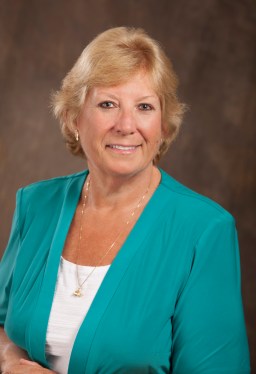
Piri, Louisa, and I are conducting a study to learn more about experiences with incivility in nursing learning environments, as well as to identify strategies for promoting a culture of civility.
Please click here to learn more about who we are, how this study developed, and why we decided to pursue this topic.
We hope you will take 10-15 minutes to complete a 9-question survey, share your insights, and help nurses and future nurses learn in a culture of civility. This study is open to all nurses. You get to decide if you want to answer as a student or a faculty member. You don’t have to be either right now, just think back to when you were last in the classroom or clinical learning environment.
Click here to begin the survey.
Thank you, in advance, for helping nurses learn and grow, with a goal of making learning environments welcoming and respectful for all.
Inspiration for Activism Part II –

Jessica Dillard-Wright presenting a poster at Graduate Research Day
@radicalnursesAUG and @radicalnursesNOLA
Nursing is a radical act, at every turn, in every way. The profession of nursing has unparalleled potential to impact the future of healthcare and our world, which is the motivation for my activism. The right to health is the foundation for a more just and equitable society and work toward this cause begins, for me, with nursing. Nursing is inherently political and we – as nurses, educators, citizens – cannot afford to err on the side of neutrality. This informs my approach to nursing, to nurse education, nurse scholarship, and to nurse activism. In collaboration with other nurse activists (including Vanessa Shields-Haas and Jane Hopkins Walsh), I am hoping to organize and host a pop-up nurse activism think tank in summer 2019. More details to follow.

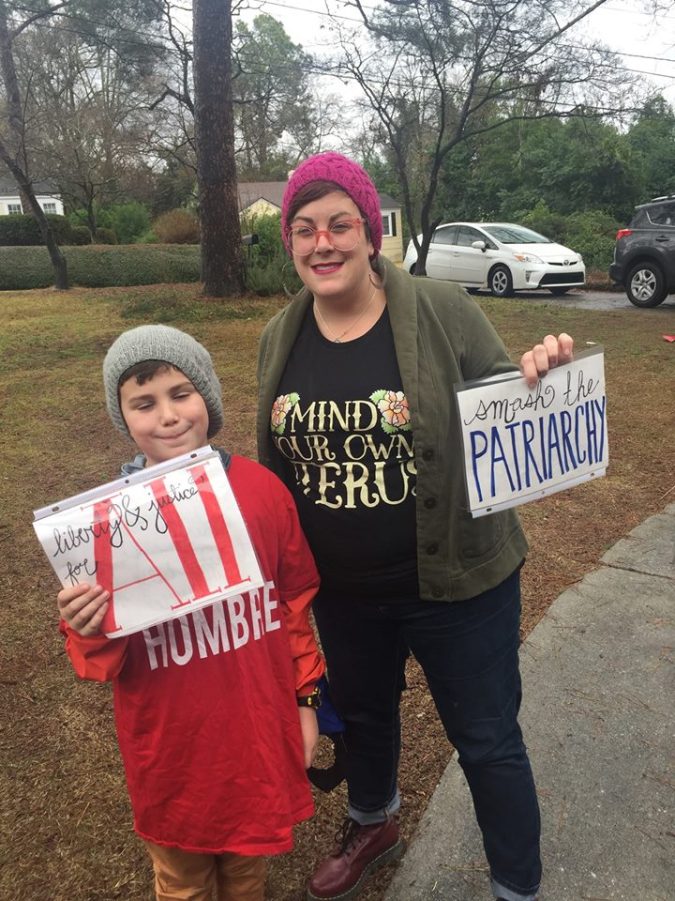
Activism in action: protest mom and Atticus take the Women’s March
Inspiration for Activism Part II –

Vanessa’s Story: “I wish for Street Nurses, utilizing the full scope of their practice, to serve people who are not sustainably housed in New Orleans. Street Nurses would provide much needed rapid HIV/STD/HepC testing, wound care, medication management, harm reduction education, and preventative healthcare incorporating the use of handheld, laboratory diagnostics. The Street Nurses would work with a team of social workers for Medicaid enrollment, access to safe housing or low-barrier shelters, and a route to mental health care or substance use treatment, if applicable and desired. Street Nurses would have a relationship with the community including: the police force, EMTs, and city hospital to better serve those needing immediate, hospital admission.”
Inspiration for Activism Part II –

More information:
On the other side of the gurney, Cathy Graham has no idea what to expect during chemotherapy treatment