Reflections on “Overdue Reckoning on Racism in Nursing”


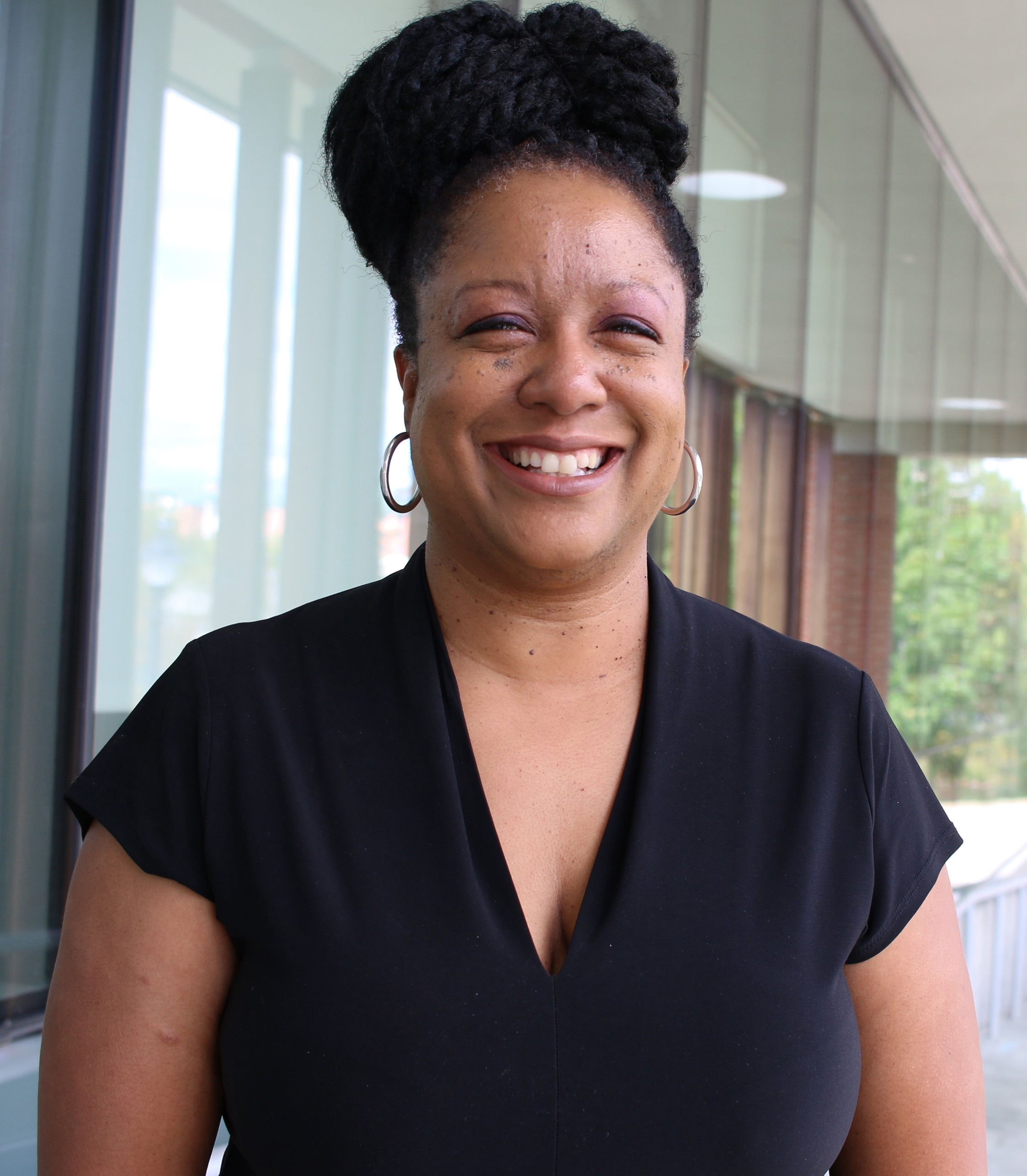
Lucinda Canty

This past Saturday, we concluded the 5-week series of discussions “Overdue Reckoning on Racism in Nursing.” There were 100 to 120 participants present for each discussion.  Lucinda Canty skillfully hosted each discussion, guided by the “Principles of Reckoning” that set the stage for us to hear the voices of nurses of color, and for white nurses to be still and listen.  I will be honest – even with my commitment to this process, there were moments when I felt the desire, arising from my deeply embedded whiteness, to speak!  But everyone who participated honored the commitment on which these discussions were based – and WOW – what a powerful experience!  Here are a few of the comments on the feedback that we received in response to the feedback stem: “What I appreciated the most” . . .

  • The vulnerability of those who spoke.
  • The honesty, raw emotion, and thoughtful respect
  • The opportunity to gain greater understanding of challenges I have not had to face
  • How this was an open discussion and made racism in the workplace not an uncommon thing to experience. The discussion and platform allowed a safe space for people to share their stories and experiences, while also bringing awareness to an important issue that happens in the workplace..
  • As a white woman, it is very important to listen to the experiences shared.
  • I appreciated hearing the stories, the struggle, and the successes that people brought to this circle.
  • Having had this space to listen to the stories of others, and reflection on my own history and goals moving forward
  • The vulnerability and courage of the speakers in sharing their experiences
  • growing awareness of what needs to change

We also asked participants to reflect on what made them uncomfortable:

  • The stories of BIPOC nurses experiencing racism in nursing at all levels are extremely important in understanding the violence, the disrespect, the emotions etc… they experience in our culture. SO VERY POWERFUL. I appreciate it all! Thank you… will keep working at this. Thank you for sharing all the stories.
  • I did not feel uncomfortable – I felt enriched and blessed
  • Just sad that racism is still so prevalent
  • For me it feels like trauma is revisited and it hurts. But it is also cathartic.
  • Talking to white nurses about my experiences
  • It was hard to hear the suffering of other black nurses and women of color.
  • Nothing made me uncomfortable; good to get it out and hear from others
  • It was hard to relive some of the traumas we’ve shared in the circle. So many brave women of color sharing really difficult situations they had been in.
  • Continued exploration of my own prior complicity
  • This session made me more aware about potential racism that can happen when I become a nurse and start working (as I am currently a student nurse). This discussion made me more conscious of people’s experiences and provides a take-away of what to look for (potential red flags and racism) in the workplace and how to possibly address them.
  • Knowing I could have done more
  • The reflection that I may think that I am more ‘woke’ than I really am.

For those of us who organized this series, we have felt the earth quake – we are forever changed by this experience!  And we know that many participants felt the same kind of change. We are sad that it has ended, but while realizing that we need to take a break, we are determined to take the next step forward. We know that white nurses need to enter into the discussion, so we anticipate that this will be a feature of whatever direction we take. We have encouraged all nurses, and particularly white nurses, to take a deep dive into the many resources available on our “Resources for Overdue Reckoning on Racism in Nursing” page.

We have connected with nurses of color who spoke during these discussions, inviting them to join in planning the next steps.  These discussions are open to anyone interested in participating, on October 24th  and October 31st from 4 to 5:30 Eastern.  If you are interested, please let us know! And follow this blog – we will post the next steps of this initiative here!

Overdue Reckoning on Racism in Nursing


We are excited to announce a series of web discussions “Overdue Reckoning on Racism in Nursing” starting on September 12th, and every week through October 10th! This initiative is in part an outgrowth of our 2018 Nursing Activism Think Tank and inspired by recent spotlights on the killing of Black Americans by police, and the inequitable devastation for people of color caused by the COVID-19 pandemic.

Racism in nursing has persisted far too long, sustained in large part by our collective failure to acknowledge the contributions and experiences of nurses of color. The intention of each session is to bring the voices of BILNOC (Black, Indigenous, Latinx and other Nurses Of Color) to the center, to explore from that center the persistence of racism in nursing, and to inspire/form actions to finally reckon with racism in nursing.

Lucinda Canty, Christina Nyirati and I (Peggy Chinn) have teamed up to create the plan – you can see the details here; it is also easily accessed from the main menu above!

Sharing nursing knowledge through Opinion-Editorials


Contributors: Sarah Oerther, Barbara Dossey, and Mona Shattell

Opinion and editorial articles, also known as “op-eds,” are persuasive commentaries that are featured in most newspapers and other online popular press, which are excellent, effective ways for nurses to bring their authentic perspectives to the public. Op-eds are also crucial because nurses are seldom represented in print media healthcare coverage, according to the Woodhull Study Revisited, whom found that nurses were cited as expert sources in health-related news stories only 2% of the time. In 1998, the initial study found comparable outcomes (4% of news stories quoted experts who were nurses).

The purpose of this post is to highlight how nurses can share their knowledge by authoring op-eds. Below is a case study that exemplifies how nurses can a write op-eds to influence healthcare policy questions and legislative issues. Unique aspects of developing this op-ed included addressing current news stories, an assessment of health needs, and scientific evidence of best practices.

Case Study

In 2018, the U.S. government separated families who were seeking asylum in the US by crossing the border illegally. Dozens of parents were being split from their children each day — the children sent to government custody or foster care, the parents were sent to jail. The op-ed authors were enraged by local media stories of how parents and children were impacted by separation at the border. These stories are what inspired the op-ed. Nurses understood that a traumatic event like being separated from a parent could negatively impact a child. The authors worked together quickly to make sure their op-ed hit this current news cycle.

First, the authors identified the problem to be solved or issue to be addressed. For example, Federal officials at the U.S.-Mexico border separated nearly 2,000 children from their families between April 19, 2018, and May 31, 2018. To overcome this problem, nurses used evidence-based research to show parent-child separation may result in toxic stress.

Next, op-ed authors identified what had been done (or proposed) about the issue so far, they identified other organizations that had addressed the issue, and they looked for any pending legislative or regulatory proposals. For instance, for this op-ed, governmental organizations, including the Substance Abuse and Mental Health Services Administration (SAMHSA) and the Centers for Disease Control (CDC) had already written clinical guidelines to address toxic stress.

Finally, the op-ed authors identified “why” government officials should address this issue. To assist legislators in influencing policy, the op-ed authors discussed the complex nature of toxic levels of stress from a scientific standpoint.

The op-ed, Toxic effects of stress on children separated from parents, was based on a nursing perspective and was provided to help tackle health disparities and injustices. Nurses linked the relevance of parent-child separation with evidence-based research on toxic levels of stress.

Nurses published this OpEd in The Hill – a newspaper mailed directly to all congressional offices and published online. The authors used evidenced-based research to show without the nurturance and calming support of a caring adult who is known to the child, these traumatic separations could alter the structure of the developing brain. Long term, this toxic level of stress can affect other organ systems, leading to long term adverse health outcomes such as mental illness, substance abuse, cardiovascular disease, and premature death.

This OpEd was shared at least 1,238 times online. As a result of this op-ed, a group of U.S. Senators (including Senators Kamala Harris, Dianne Feinstein, Cory Booker, Bernie Sanders, and Elizabeth Warren) wrote a persuasive letter to the Secretary of Homeland Security demanding that children be reunited with their families. The nurse-authored op-ed was cited as the first piece of evidence that separation could result in life prolonged trauma (see footnote on page 1). The policy that led to widespread family separations was ended and thankfully, no law currently mandates the separation of families. This is a clear example of why nurses need to express their voices in the public square. Unfortunately, the U.S. government continues separating some children from parents for questionable reasons.

Nurses make up the United States’ largest healthcare workforce and nursing is the most trusted profession. Nurses need to leverage that trust when it comes to educating the public and policy makers alike. Nurses, especially nurse researchers, should be sharing their knowledge by authoring op-eds. Will you?

About the authors
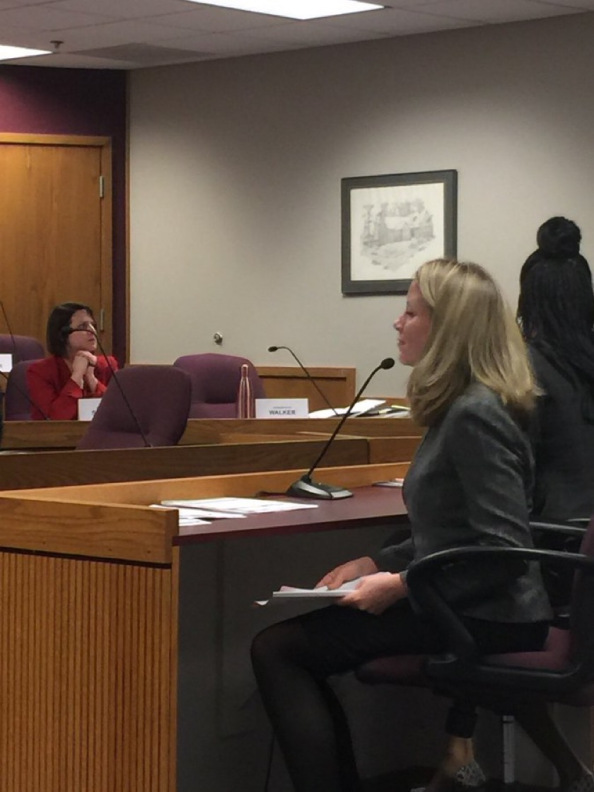
Sarah Oerther testifyinig.

Sarah Oerther MSN, M.Ed., RN, F.RSPH, is a Ph.D. candidate at the School of Nursing, Saint Louis University where she is also completing a Family Nurse Practitioner post-master certificate. Sarah has published OpEds in The Missouri Times, The Hill, and HuffPost. In 2019, she received the Excellence in Nursing Award from St. Louis Magazine.

Barbara Dossey

Barbara Dossey, PhD, RN, AHN-BC, FAAN, HWNC-BC, is internationally recognized as a pioneer in the holistic nursing and nurse coaching movement. She is a Florence Nightingale scholar and nurse theorist. She is Co-Director, International Nurse Coach Association (INCA) and Integrative Nurse Coach Academy, North Miami, Florida; International Co-Director and Board Member, Nightingale Initiative for Global Health (NIGH), Santa Fe, New Mexico, and Gatineau, Quebec, Canada.

002-Mona Shattell Headshot_JHN4140
Mona Shattell

Mona Shattell, PhD, RN, FAAN is associate dean for faculty development and professor at the Johns Hopkins School of Nursing in Baltimore, MD. She also holds a joint appointment in the Johns Hopkins Bloomberg School of Public Health, in the Department of Environmental Health and Engineering. She is the Editor of the Journal of Psychosocial Nursing and Mental Health Services, and the author of more than 140 journal articles and book chapters. She is an active social media user, content developer, and public thought leader. She has published op-eds in the New York Times, The Atlantic, Health Affairs Blog, Huffington Post, PBS, and others.

Nurses’ Concerns with COVID19: Update May 2, 2020


I find that nothing is more powerful than hearing the stories of our nurses during this pandemic crisis. This website has some of these powerful stories from nurses around the globe, sharing their experiences of caring for COVID19 patients: Nursespeak.com

PPE: Nurses continue to lack Personal Protective Equipment: A recent survey showed that 75% of staff in home-care settings are lacking in PPE. Home Care Survey. 86% of healthcare systems are also concerned with having adequate PPE available: PPE shortages

Political unrest emerges even as nurses remain on the front lines of providing care for patients during the pandemic. Nurses rose to the occasion to stand their ground in the face of protestors. Nurses Urge Protestors to Stay Homeimage.png

National Nurses United organized a nation-wide May-Day protest about lack of PPE: https://www.cbsnews.com/news/may-day-protest-nurses-ppe/

image.png Nurses also took  action by protesting outside of the Whitehouse on April 21 and reading aloud the names of nurses who died from contracting COVID19 in the workplace: Nurses Whitehouse Protest

And nurses are still speaking up, even if it puts their jobs at risk: Hospitals fire and suspend staff for speaking out


Nurses deaths: The virus continues to take its toll on nurses and other professionals. Issues around post-trauma recovery are now coming to light. Healthcare workers may be feeling hopeless or helpless or suffering clear PTSD symptoms. Sadly we have lost some professionals to suicide: NYPost tragic deaths.

If you need help please reach out. National Suicide Prevention Lifeline: 1-800-273-8255

A Missouri nurse, Celia Yap Banago, who raised concern about lack of PPE died of COVID19. Nurse Banago had worked as a nurse for 40 years and was literally days away from retirement.Nurse Banago

image.png

New York State Nurses Association houses a memoriam page to nurses lost to COVID 19. NYSNA memoriam page The retired executive director of the National Student Nurses Association is counted in the losses: Rest in Peace Robert V. Piemonte, EdD, RN, FAAN. image.png

To all of the nurses taking action, thank you for stepping up.

Nurses’ Concerns with COVID19: Update April 17, 2020


The COVID19 pandemic continues to be quite an issue in New York, with over 14,000 deaths reported. I found this link to the New York Times to be helpful in assessing where we are with official numbers of reported testing and deaths (NYTimes CVOID19), though in many states we know that testing remains very limited and accuracy of tests is still only at about 67-70%.

PPE: Nurses are still without proper PPE. While the federal government claims to have distributed millions of masks and gowns, frontline workers are still faced with shortages and putting themselves at risk. Now we are seeing surges in the cost of PPE, with costs going up over 1000%, according to a report published last week by the Society for Healthcare Organization Procurement Professionals. Competitive bidding for these supplies both internationally and within our own county has compounded the issue, and if we had federal government oversight and processes in place, it is likely these issues could be addressed in ways that would help to prevent price inflation ( CNN review of the inflation of PPE cost).

This video that appeared on CBS’s 60 minutes made it clear that nuses like New York nurse Kelley Cabrera are beginning to speak out. Nurse Cabrera works at Jacobi medical center in the Bronx. She makes the point that when nurses are required to reuse N95masks for up to 5 days, they are literally being provided with medical waste to be used as PPE. Nurse Kelley Cabrera 60 minute’s interview

Nurses Stories: Meanwhile, I have heard the stories of nurses continuing to work without proper PPE and we reultantly have high numbers of nurses testing positive in areas like Ohio.

Nurses have started to reject the idea that they be considered to be angels or heroes. They didn’t become nurses to die, and they don’t want to be martyrs. While the 7 pm clapping and cheering ritual in New York City seems to have built a community spirit, some nurses experience this differently. One New York City nurse wrote: ” I ask that you do not pity me, that you do not call me a hero. I do not wish to be made into a martyr….Clap for me and other healthcare workers at seven o’clock if it makes this pandemic feel more bearable. I concede, your cheers help us trudge on. Just know that cheers and hollering don’t change the outcome. This is my fervent plea – that we change what we can after all this is over”.

Fallen Nurses: The loss of nurses becomes hard to track as the numbers increase. NYSNA has set up a memoriam page: Fallen Nurses Memoriam

A 28-year-old pregnant nurse in the UK passed away on 4/12, RIP nurse Mary Agyeiwaa Agyapong. Her father passed away two weeks before she died. Mary’s baby daughter was delivered via cesarean section before Mary died.

27236508-8226319-Mary_Agyeiwaa_Agyapong_28_pictured_died_on_Sunday-m-13_1587050953040

Many other nurses and hospital staff in the UK have also died (daily mail review of nurse and staff COVID19 deaths).

Two nurses in Palmetto, Florida have also died from work related exposure to COVID19. Nurse Danielle Dicensio leaves behind a 4 year old son and hubsand. Nurse Earl Bailey also worked at the same hospital, Plametto General Hospital, and he passed away from CVOID19 a few weeks ago. Both nurses complained about not having access to proper PPE, which the hospital denies (two nurses die of COVID19 ). 

A colleague of Nurse Cabrera’s (mentioned above), Freda Orcan,  who worked at Jacobihospital in the Bronx passed away March 28.

image


ANA’s response to COVID19:

The Ameican Nurses Association has issued a statement that nurses should be reporting when then experience retaliation around their raising concerns regarding their personal safety in the workplace, as these are OSHA violations (OSHA and retaliation issues). While hundreds of complaints have been filed, it’s difficult to determine specifically how OSHA is responding to reports made. There is a plethora of information on their website regarding COVID19 issues (https://www.osha.gov/SLTC/covid-19/),

The ANA has created a page of resouces for nurses (ANA COVID19 page). There have developed a corona virus response fund for nurses. There is also a section about ethical guidelines for nurses that may help some in their decision making process and calls forward the bigger ethical issues that nurses are facing, and  links that show all of the steps that ANA is taking in advocating for nurses.

The latest ANA/ AHA/AMA letter witten calls for the government to address the issue of minorities and the disparities they experience with receiving adequate care for their COVID19 issues. (ANA letter to the Secretary, US Department of Health and Human Services). The letter in part reads:

“As organizations that are deeply committed to equity in health status and health care, we have long recognized differences in the incidence and prevalence of certain chronic conditions, such as diabetes, asthma, and hypertension — conditions that are now known to exacerbate symptoms of COVID-19. We also recognize that other factors, including but not limited to socioeconomic status, bias and mistrust of America’s health care system, may be resulting in higher rates of infection in communities of color. Lack of access to timely testing and treatment will inevitably lead to worse outcomes for these patients.

As America’s hospitals and health systems, physicians and nurses continue to battle COVID-19, we need the federal government to identify areas where disparities exist and help us immediately address these gaps.”

While ANA has been interacting at the national level, my perception from the nurses directly working with patients on the frontlines is that they feel under-represented and that ANA is not providing them with the voice they need. One time letters to federal authorities seem to make little measurable immediate impact. around what matters for nurses being able to practice safely. They also feel that many of the practicing nurses don’t belong to ANA exactly for this reason: that there is somehow a gap between the reality of nursing practice and the work and publications of the ANA. The crisis is far from over.

May all nurses and all beings know some peace and ease.