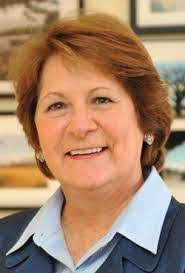
Nanette Massey calls out racism in cancer care


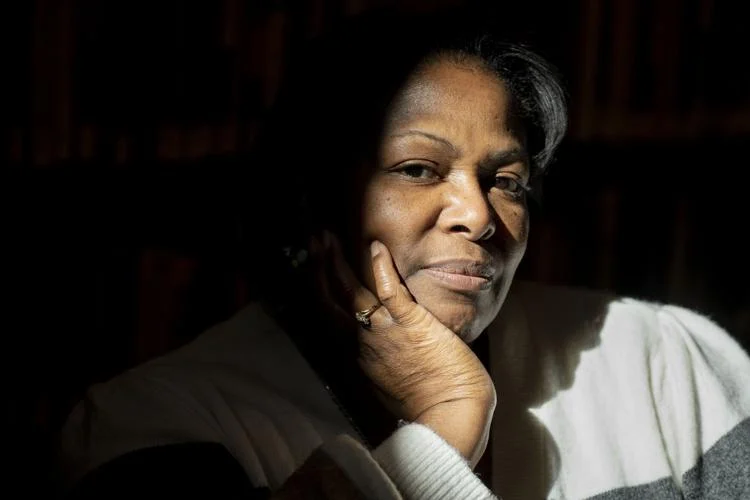
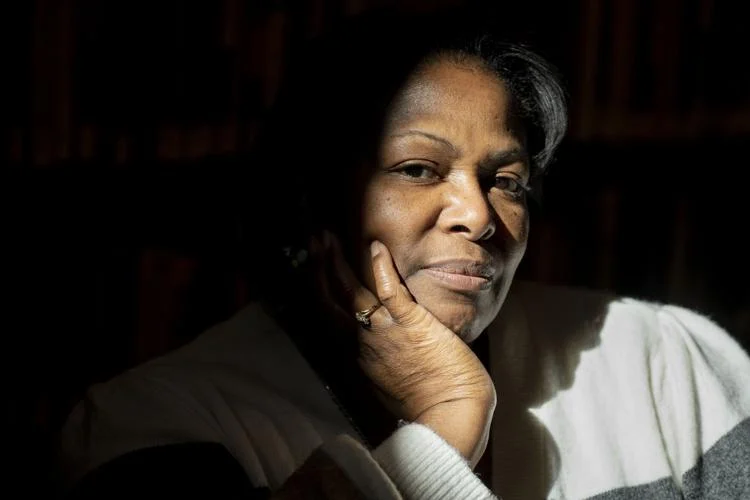
Nanette D Massey, who was an inspiration for, and has worked with “Overdue Reckoning on Racism in Nursing” for over 3 years, has written an article in NABJ Black News and Views that describes the appointment of two Black women to the top administration of Roswell Park cancer center in Buffalo, New York, as a result of a report that detailed widespread racism toward Black nurses, doctors and other staff.

In the article, Nanette describes the situation that the report revealed at Roswell Park, and the changes that the institution is taking to begin making the needed changes. Nanette’s own work has focused on raising the awareness of white people to the widespread realities of racism, and supporting any and all action to bring about change. In the Black News and Views article, she acknowledges the work we are doing in our “Overdue Reckoning” project, including our current October series focused on actions needed by white nurses. Nanette cites Lucinda Canty’s remarks about the systemic ways in which hospitals are designed to sustain racism:

The experiences of Lucinda Canty Ph.D., one of the authors of “An Overdue Reckoning On Racism In Nursing” and an associate professor of nursing at UMass Amherst, add more logs to this fire. 

“Hospital systems,” said Canty, ”were never designed for Black people, as patients or employees. Segregation of hospitals ended with the civil rights movement of the 1960’s.That’s not too long ago. The structures are still in place in the form of leadership, policies, or procedures, all designed so that people of color cannot thrive. When racial issues come to light there is no accountability.” 

Nanette Massey, September 27, 2023

All of us who are nurses and who want to make change can take action anywhere we live and work. We cannot do everything that is required, but each of us can do something. Join in on our Saturday discussions for the remaining Saturdays in October! Here are topics we are planning to kick off discussions for the rest of October –

Oct. 14 – Dismantling white privilege – “What is your experience of remaining silent while people of color speak?”

Oct. 21 – DEI is not enough — “What happens when you attend the dance, but are not asked to dance?”

Oct 28 – Blueprints for action – “What antiracism actions are we committed to take on an individual, group, and structural level?”

You can learn more about Nanette, and the work that she is doing on her website, including information about her in-person workshops in upstate New York, webinars, and writing. Nanette is a highly skilled and compassionate facilitator, and without her inspiration, our work would not have evolved as it did! Connect with her now!

“Overdue Reckoning on Racism in Nursing” October Events!


There are two things “happening” in October  … 

  • Our traditional “Overdue” zoom gathering is happening on Thursday, October 12th, 7-8:30 pm Eastern!  We will be focusing on the voices of students – so encourage any and all students and recent graduates you know to join us!
  • The 4-week Saturday series focusing on action for white nurses is happening on October 7th, 14th, 21st and 28th, from 3 to 4:30 pm Eastern.  These discussions will be informed by two books (not required reading but highly recommended now or later!) 

To register for these events, and for the latest information, and details, go to our “Overdue” page here!

In AJN Now! “Activism is an Essential Nursing Role”


The October issue of the American Journal of Nursing includes an article titled “Activism is an Essential Nursing Role!” This article has been brewing for at least a decade, conjured up by Shawn Kennedy, now Editor Emerita of AJN, and me (Peggy Chinn), now Editor Emerita of Advances in Nursing Science (ANS). As nursing journal editors, we had experienced blow-back from readers who objected not only to “political” content in our journals, but also claimed that “politics” is not an appropriate concern for nurses. Shawn had taken a strong editorial stance related to gun violence as a public health issue, for example, and had received threats to discontinue subscription to the journal as a result of this stance. In ANS, we maintained a strong reputation of publishing politically controversial topics but when one of the articles published in the journal addressed explicitly the militarization of nursing education, we also received threats from readers that they would not only not subscribe, but would cease to use ANS content in their reading lists!

Maureen “Shawn” Kennedy

Shawn and I had several opportunities to share our experiences and our mutual commitment to continuing to advocate for nursing’s responsibilities to protect the the health and well-being of all , even when it required taking a “political” stance in our journals. We presented the topic for discussion at several nursing editor’s meetings (INANE), and maintained our intention to publish an article on the topic! Finally, once we each “retired” from our editorial roles, we moved this intention to the top of our “to do” lists, resulting in the publication of the article!

We hope you will take a few moments to read this article, and welcome your feedback! Please add your experiences advocating for activism here — we all are inspired when we hear the stories – we know we are not alone!

A Call to White Nurses


Are you a white nurse who is concerned about the reality of racism in nursing? Are you a white nurse who believes that racism exists in patient care – but that nurses are not racist? Are you a white nurse who is confident that you yourself are not racist? Whatever your attitudes and beliefs are about racism in nursing, our “Overdue Reckoning on Racism in Nursing” is committed to addressing any and all of these issues. We know that this is a journey, and that each nurse is on a particular part of their own journey. Racism effects all of us, and we all play a part in the dynamics that range from the personal, to the institutional, to the structural. We cannot escape the fact that there is a problem – now we are calling for all of us – including white nurses – to be part of the solution.

We have set aside four Saturdays in October to focus specifically on what white nurses can do – what we must do – to move closer to solutions, to take action. Join us! The topics planned for each session are as follows (open to change by participants as we go!)

Oct. 6 – Developing our awareness of Whiteness.” Discussion Prompt: “When did you first become aware of your privilege as a white person?

Oct. 14 – Dismantling white privilege – “What is your experience of remaining silent while people of color speak?”

Oct. 21 – DEI is not enough — “What happens when you attend the dance, but are not asked to dance?”

Oct 28 – Blueprints for action – “What antiracism actions are we committed to take on an individual, group, and structural level?”

Register now! One registration for all 4 sessions! When you register, you will receive the link to join the sessions. If you lose the link, register again. See our webpage for details and updates!

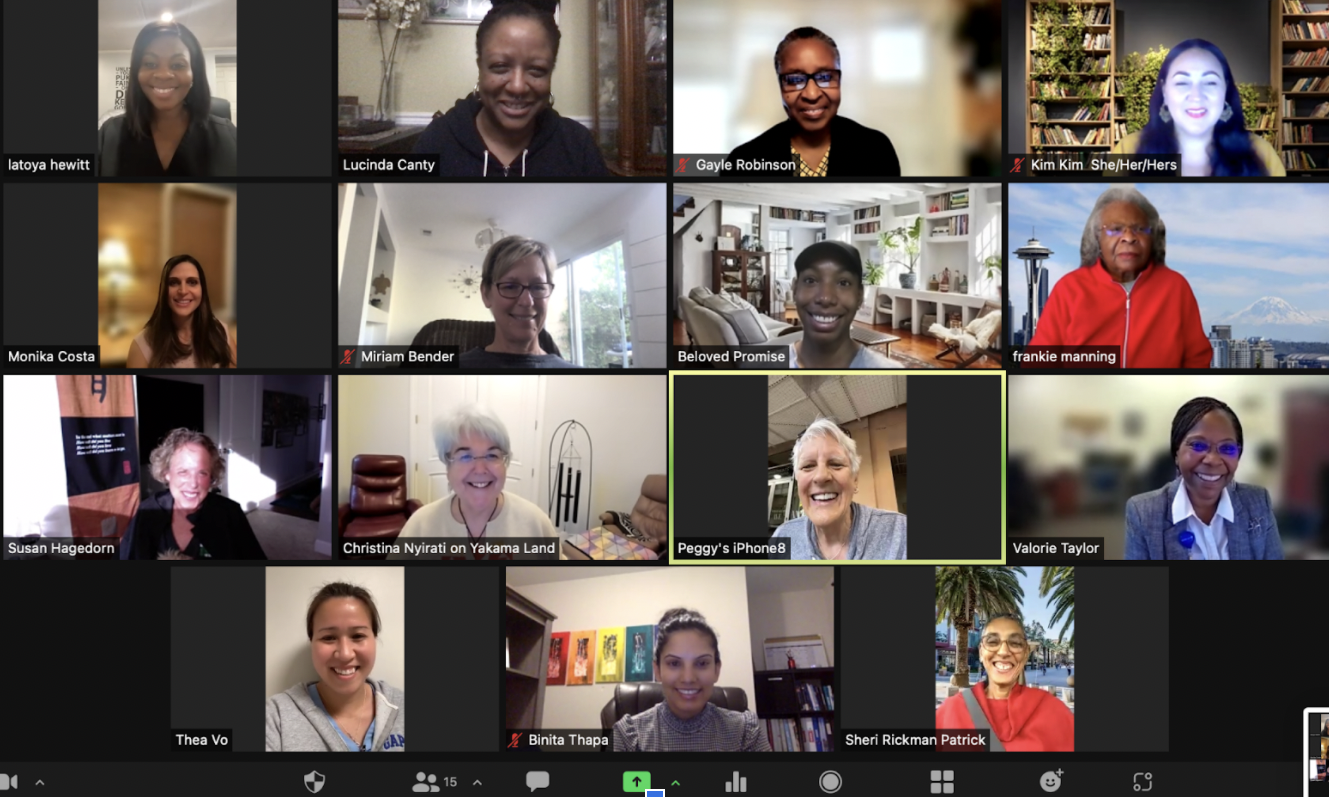
All are welcome to also participate in our monthly Thursday, 7-8:30 Eastern, “Overdue Reckoning on Racism in Nursing” zoom gatherings! We will be featuring actions that nurses are taking to address racism – our September gathering featured the new book by Tina Loarte-Rodrigues titled “Latinas in Nursing: Stories of determination, inspiration and trust“. Here are the dates for the sessions coming up:

  • October 12
  • November 9
  • December 14
  • January – winter break
  • February 8
  • March 7
  • April 4

There is one registration for all sessions – When you register, you will receive the link to join the sessions. If you lose the link, register again. See our webpage for details and updates!

Register now! One registration for all sessions!

https://umass-amherst.zoom.us/meeting/register/tJMudeyhrzsqG9y9gho-ewR85Wbgq-etvFXk

More Evidence – Now We Need Action!


Ms. Frankie Manning shared with us an article published on the web on May 30, 2023. The article is titled “‘A target on my back’: New survey shows racism is a huge problem in nursing.” It gives ample evidence of one of the most pernicious and seemingly intractable and systematic patterns that sustain racism – the subtle and explicit ways that we are all complicit in simply not recognizing and addressing it. Those of us who have been participating in “Overdue Reckoning on Racism in Nursing” over the past 3 years are all too familiar with stories and situations reflecting what is in this article. Time and again – situations in which nobody acknowledges the blatant expressions of racism, denies the reality, and places insurmountable barriers in the way of making change.

This article reminds me of a comment that we heard when we were first announcing “Overdue.” More than one white nurse said to us something along this line: “I hope that this is not just going to be a complaining session.” Our response to this was along this line: “We intend to listen and hear any and all complaints – until we pay attention and start to see the reality, and talk about it we will never see change.”

The “Target on my back” report explains how many nurses of color have simply given up, assuming that it is hopeless for white nurses to ever come to terms with the racism that they participate in and enable. The energy and courage that it takes for nurses of color to even begin to address the issue is overwhelming and destructive. Looking at this reality as vividly portrayed in this article is disheartening, but it is also a wake-up call, and a reminder, that we must do better. We white nurses need to do more than offer cheap apologies – we need to examine the harm that is still happening around us every day, and engage in the deep, authentic and sincere processes of forgiveness, which leads to change.

Nurse ethicist Marsha Fowler has offered insight into the harm of “cheap forgiveness” – and outlines the process of forgiveness as follows:

Forgiveness is a process containing several essential and sequential elements: contrition, confession, penitence, repentance, forgiveness, then reconciliation, meaning, to grieve, to acknowledge, to regret, to turn around, to let go/my sins let go, to be restored. This is the movement that is forgiveness.

https://nursology.net/2023/04/04/cheap-forgiveness/

So on this Juneteenth day of 2023, I am sending a call, an invitation, to my white colleagues to examine what we need to do, and can do, to engage in processes of forgiveness, and processes of building genuine reconciliation and partnership. At the same time I send deep appreciation to my colleagues of color who have joined us in this journey of reckoning with racism in nursing. Lucinda Canty has led us from the beginning, and many more have joined us, for which we are all grateful.

We are all on a journey, with each of us in different places on this journey. As Lucinda says, I will not lie – this is not an easy journey. But I believe that in embarking on our journeys, we are beginning to create real change.