Nurses’ Concerns with COVID19: March 20, 2020


Like many of you reading this, I have a range of emotions and feelings as the pandemic of COVID19 grows in the USA: anxiety, fear, and anger. Today (and for the last several days), I am angry about the lack of Personal Protective Equipment (PPE) available for nurses who are being called to care for those who are most ill and the most contagious. The following is my attempt to express my personal concerns and align them with nursing’s guiding ethical principles.

There may be flaws in my thinking and I am open to respectful dialog about these issues. I understand that emotions are running high and that we may not agree, but we can and should have civil discussions and dialogs.

Lack of Personal Protective Equipment. On February 7, 2020, the World Health Organization warned of a shortage of Personal Protective Equipment in China and beyond. As that was 6 weeks ago, there has been time to ramp up the production of PPE. Meanwhile, state’s governors from Maine to Wisconsin to Florida and Washingon are asking to access the federal stockpiles for access to PPE:

https://www.penbaypilot.com/article/governor-mills-urges-federal-government-vice-president-release-personal-protection-eq/131972

https://www.nbc15.com/cw/content/news/Evers-asks-federal-govt-for-much-needed-supplies-from–568975621.html

https://www.propublica.org/article/heres-why-florida-got-all-the-emergency-medical-supplies-it-requested-while-other-states-did-not

https://www.doh.wa.gov/Newsroom/Articles/ID/1117/Addressing-shortages-of-Personal-Protective-Equipment-PPE

Nurses Quitting: A few days ago, one of my Facebook friends quit her job because she was no longer being provided the proper PPE, She was not directly caring for COVID19 patients, but she needs proper PPE to keep herself and her patients safe during the provision of care,  and her quitting her job got me thinking, considering ethical issues, advocacy, the role of the nurse, and so on.  I respect her decision, and I hope this post makes it clear that during these frightening and murky times, the decisions we make as nurses are going to be hard ones.
image.png

I want to say, from an ethical perspective, it is perfectly acceptable for nurses to quit their jobs and/or refuse to work without proper PPE. Refer to my previous post of the ANA calling for the CDC to provide evidence when they make guidelines, and consider the recent use of bandanas and reuse of face masks protocol from the CDC: https://www.cdc.gov/coronavirus/2019-ncov/hcp/ppe-strategy/face-masks.html. This flies in the face of everything we know about the transmission of viruses.

Ethical Principles: The overarching ethical principles at play here that help to guide nurses’ decision making are beneficence (doing the good thing, moral obligation to do the right thing, what is best for the patient) and nonmaleficence (do no harm to patients). When we work without proper PPE, there is a very real risk that not only might we harm ourselves, we potentially spread pathogens to patients. When we don’t have proper PPE, our stress, fear, and anxiety can be magnified and potentially may harm patients.

Additionally, The code of ethics for nurses (https://www.nursingworld.org/coe-view-only) requires a lot of us.  To begin with, we must be deeply familiar with The code and how it guides our decision-making processes. The following are some excerpts from The code that guide our decision making at this time:

The code: 3.5 Protection of Patient Health and Safety by Acting on Questionable Practice 

This concept is all about the reporting of inappropriate and questionable practices. We may become stymied when even our boards of nurses are aware of dangerous and non-evidence-based practices, but they may see no way around them. We can report the issues, but when the governing bodies we report to are not holding up our own ethical standards, the field is put at greater risk for collapse (from infection spreading and/ or providers quitting).

Even as standards are relaxed, entities such as the Oregon Board of Nursing should be taking more responsible action and not placing nurses and patients at risk. The following is a statement by the Oregon Board of Nursing that states that nurses cannot refuse assignments because of sub-par PPE that does not align with CDC or WHO regulations. In other words, in this case, the BON is either not considering the greater harm for both patients and nurses by not recognizing the greater ethical concerns and personal risks nurses are being asked to take, or they simply see no other solutions. The paragraphs about the social contract and evidence-based approaches contradict the highlighted area regarding changes in PPE approaches and the right to refuse assignments.
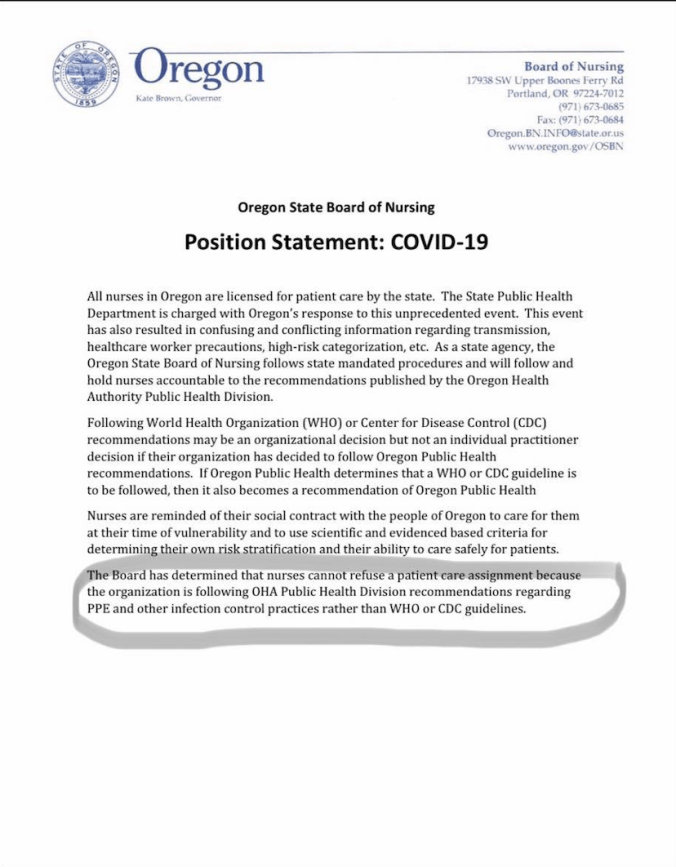
Screen Shot 2020-03-20 at 8.55.47 AM.png

Regardless of what our boards of nursing state, Provision 4 makes it clear that we are ultimately responsible for our own practice:  “The nurse has authority, accountability, and responsibility for nursing practice; makes decisions, and takes action consistent with the obligation to promote health and to provide optimal care”. Specifically, Provision 4.1 states that “Nurses bear primary responsibility for the nursing care that their patients and clients receive” and “Nurses must always comply with and adhere to state nurse practice acts, regulations, standards of care, and ANA’s Code…”. This does lead to interesting paradoxical issues with the Oregon Board of Nursing, as one could view this as a regulation, but it contradicts further statements in The code, including:

Provision 4.3: “Nurses are always accountable for their judgment, decisions, and actions: however in some circumstances, responsibility may be borne by both the nurse and the institution. Nurses accept or reject specific role demands and assignments based on their education, knowledge, competence, and experience, as well as their assessment of the level of risk for patient safety. Nurses in administration, education, policy, and research also have obligations to the recipients of nursing care” and “Nurses must bring forward difficult issues related to patient care and/or institutional constraints upon ethical practice for discussion and review”.

Most importantly, The code calls for us to take good care of ourselves so that we can take care of others. We see this shown in Provision 5, particularly:

Provision 5.2 Promotion of Personal Health, Safety, and Well-Being

“…nurses have a duty to take the same care for their own health and safety. Nurses should model the same health maintenance and health promotion that they teach and research, obtain health care when needed, and avoid taking unnecessary risks to health or safety in the course of their professional and personal activities.” The sticking point here is arguing whether or not the risks of not wearing proper PPE, which include risks of death for oneself or other patients who have not yet been exposed, is necessary or not. From my perspective, I can see where working without proper PPE could be too large of a risk to oneself and the communities served.

And I get concerned when nurses seem to think it’s only about them be willing to take on the personal risk for themselves, forgetting about how they may also become the vector.

One last ethical issue, we have to do our own self-care during these challenging times. As nurses, we are required to take care of ourselves. Provision 5.2 continues: “Fatigue and compassion fatigue affect a nurse’s professional performance and personal life. To mitigate these effects, nurses should eat a healthy diet, exercise, get sufficient rest, maintain family and personal relationships, engage in adequate leisure and recreational activities, and attend to spiritual or religious needs…it is the responsibility of nurses leaders to foster this balance within organizations”

Now onto a round-up of current COVID19 issues for nurses as I am seeing on social media:

Masks: Some nurses are being told to store their 1 daily mask in a paper bag and remove/ doff between patients, and replace/don the old mask for new patients. Of course, the bag and the mask would all be potentially contaminated; the bag actually creates a source of contamination and risks for greater transmission. I also heard rumors on social media of nurses being told to share masks, and I am hoping this is simply just false information, as I couldn’t verify that claim. I did hear that eye shields were being shared. I have confirmed that nurses who are normally required to wear masks because they have not been vaccinated for the flu are now being told to not wear masks because there is a shortage of masks. I have also confirmed that having a doctor’s note regarding why one must wear a mask (verification that they are immunocompromised) may work in some settings to either ensure masks are available to the person or excuse them from work.
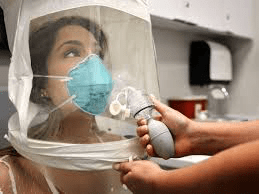
image.png

We are vulnerable: Nurses are humans and many of us are vulnerable, whether that means we have chronic health conditions and co-morbidities, or we are at risk because of age.

Nurses are also fighting amongst themselves about whether it is okay to quit the workplace now. We have to recognize that these are complex decisions; nurses are real people who have their own health issues. Getting angry about people not willing to take the risk is not productive in both the short and long term.

It’s okay to choose your life and your well-being over the “duty” or social contract to work. It’s okay to make those tough decisions, like quitting your job, and, for some folks, they may be willing to risk their license by refusing assignments where they can’t keep themselves or their patients safe, even if their board of nursing disagrees.

Many nurses will carry on, work hard, provide excellent care, and do their best.

It’s also okay to feel vulnerable and scared in these uncertain times and to question your decisions and the decisions of administrators, regulators, and leaders.

It’s okay to organize and advocate for our needs, whatever that looks like.

Always remember, you have ethics on your side.

image.png

Evaluating the Evidence: Cannabis and Psychosis, Part II


As promised, I am back with more of the analysis. Before I jump into the findings, I do want to let you know I have been ruminating a bit about the issue of cannabis testing. 

To attempt to state my thoughts succinctly here, until we start testing the cannabis that patients in these types of studies are using, we won’t be doing good science. Granted, we know that THC is responsible for many of the side and and adverse effects of cannabis, but to state that the issue with the cannabis is that it has become so high in THC% is far too reductionistic. There is no specific proof that this one cannabinoid alone is the issue when it comes to the relationship between cannabis and new onset of psychosis. The researchers did state that they opted not to test patients’ cannabis because it provides only a snapshot of a moment of cannabis use in the person’s history.

However, relying on reports of what cannabis is available in the area, because it still in my mind, when I think of the wide variety of cannabis strains available, leaves too much of a gap in getting a handle on what patients are actually consuming. Cannabis is a complex plant with over 500 chemicals, but a few simple tests could provide a wealth of information when it comes to determining if high potency THC cannabis truly does play a role in onset of psychosis, or if something else is going on here.

If a similar study were run again, I would suggest testing the actual cannabis that these psychosis patients had used. Those tests should minimally include the cannabinoid and terpene profiles, in addition to testing for heavy metals and pesticides. While this would have some associated costs, it may at least let the researchers know if the profile of the last cannabis used, which could be very enlightening.

Another consideration with testing cannabis: there is a long history of concern when it comes to the role of heavy metal ingestion and the onset of psychiatric symptoms (Attademo , Bernardini , Garinella , & Compton 2017; .Orisakwe, 2014 ). Cannabis plants can easily become contaminated with heavy metals when grown in soils containing heavy metals. Pesticides can also contaminate cannabis, and the consideration of pesticides as both endocrine disruptors and a possible contributing factor to schizophrenia/.psychosis has also been researched over the years (Maqbool F1, Mostafalou S2, Bahadar H3, Abdollahi M4,, , 2016). What if what we really need to regulate or worry about is not the cannabis plant and THC potency so much as what contaminants are in the plant? In my thought process, this really becomes an ethical question of what we are researching, and what might actually bring harm to patients and vulnerable populations. One of the issues around the end of cannabis prohibition and the beginning of regulation of cannabis should be that people have access to a an herbal medicine that is tested and safe, so people know what they are consuming. Beneficence and autonomy come to mind.

This would encourage cleaner product to be produced and help support people with their own healing quests and/or help them to be a more informed consumer. While I don’t particularly care to draw analogies to alcohol (which comes with its own costly public health concerns namely that alcohol is potentially deadly and cannabis is not), imagine buying alcohol without knowing how strong it is, what is really in it, and so forth. Remember the days of prohibition of alcohol and all of the issues with people making “moonshine”?

And now I will continue to look at the findings. 

Participants: Theres seems to be a good split between male/female, with the median age of 36 for control and 31 for case. The median age coupled with the wide range of ages (18-64) included in the study was just a bit concerning, because we know that first time psychosis tends to happen in the early-mid 20’s. The vast majority of all participants were white with at least some college or vocational training and full time employment. It was also clear between case and control, there was much more use of cigarettes, cannabis, and other “drugs” (stimulants, hallucinogens, ketamine, etc) by the case group. Alcohol was not included the summary data table, but in the body of text it states there no difference in alcohol consumption amongst the case vs control groups. And this points to another issue, that it’s really hard to control these types of studies, because most people who are using “drugs” tend to use many different types of substances and it is hard to determine which is having the impact, particularly as we know their can be short term and long term implications. I began to question the issue of poly substance abuse perhaps being a greater issue here then just looking at the % of THC in cannabis, and that lead me to this research….

The International Early Psychosis Association published research by Neilsen et al (2016) that found that alcohol, cannabis, and other drugs increase risk for developing schizophrenia later in life. This was a large retrospective study with the Danish population. The full paper can be accessed here: https://pdfs.semanticscholar.org/1d58/2eaad2f2f9b61f5952f2ecf696bb81a55c7e.pdf Actually, as I ruminate and dig deeper into the Neilsen et al study, I discover it’s having the diagnosis of substance abuse that is correlated with the risk for being diagnosed with schizophrenia 6 fold.  Indeed both cannabis and alcohol greatly increased the risk for diagnosis, but Neilsen et al are careful to state that they cannot say alcohol and substance abuse caused the schizophrenia.

Let’s keep in mind with the study being analyzed DiForti et al (hopefully you aren’t getting lost as I move between the primary study and supporting studies I have included!) also found in their population that most people who have a substance abuse disorder do not use one substance alone. In fact the case participants in most of the drug categories used nearly twice as much as the control groups. So is poly substance abuse a factor here? 

And that brings me to my next thought: Self-medicating. I don’t see this addressed at all in this article, but were the participants asked about why they used cannabis? Seeing as most people with  psychosis have at least 1 year of symptoms prior to being diagnosed with the new onset psychosis, during that time they may be self-medicating or abusing many different substances. My mind starts to question: What if cannabis is actually helping them manage their symptoms, and they would actually would be worse off without it?

And then I come along this little article, that although it’s not in a peer reviewed journal, it clearly explains a possible link between THC, reduction in glutamate, lowered NMDA, weakened CB1 receptors, dopamine receptor D2 being elevated….all this comes together to create hypersensitivity in the limbic system, which may create an environment where schizophrenia could occur.  I didn’t see any of this info in the article be analyzed, f I missed it, somebody let me know! There is conflicting research on whether CBD might help with schizophrenia as it changes/modulates CB1 receptors, but we can ‘t forget that CBD % is an important consideration when looking at cannabis plant profiles. https://www.leafly.com/news/health/link-between-cannabis-and-schizophrenia

The leafy article also linked me out to another article looking at causation between cannabis use and psychosis. The authors Louise Arseneault (a1), Mary Cannon (a2), John Witton (a3) and Robin M. Murray

in their meta analysis of five other research articles found that while youthful cannabis use may create a two fold  a risk factor for psychosis, and may be responsible for up to 8% of the worlds schizophrenia diagnoses, it also is just one part of a “complex constellation of factors”, and of course vulnerable youth should avoid use of cannabis. 

What if people with mental health issues find some relief, for some period of time, from cannabis, that they don’t find from other medications or activities? Why are there so few qualitative studies around cannabis use and self-medication? And why do we have such a stigma associated with self-medication, in much the same we have a stigma around being diagnosed with a mental health issue? The questions go on and on in my mind. 

Overall Findings: Okay, let’s get down to the meat of the findings here. The statistical analysis seem logical and well run (I am not a statistician, in fact I found a statistician to work with as I am doing my own quantitive study on an unrelated topic at this time.).  

Simply stated, the findings correlate starting use of cannabis before age 15, using high potency cannabis (>10% THC), and  daily use as seeming to have the greatest correlation to psychosis (keep in mind causation is not proven here, and almost all of the case participants had also indulged in other substance use at much higher rates than the control group, the issue of possible contamination of ingested cannabis, the lack of knowledge around the full cannabinoid and terpene profile of the cannabis used, and so on). 

Conclusions: For me personally, this study did little to change my mind about cannabis and its safety profile, nor change my overall thoughts on safe use of cannabis, including the idea that cannabis should likely not be used recreationally by young people in their teens and early 20’s.

For most people using cannabis medicinally,  a high potency THC cannabis is likely not needed, but having safe tested cannabis helps people to make informed decisions about the quality of cannabis they are ingesting and the amount of THC they are consuming. High potency THC cannabis or escalating doses of THC may indeed be risky for some people, most likely young people, those with a predisposition to addiction or history of familial psychosis episodes, those with childhood trauma, those with familial history of substance abuse, and those who currently are poly- substance users. 

  • Avoid using cannabis (and really all “drugs” and alcohol) until one is in the mid-20’s and the brain is well developed. This does not account for the idea that teens will use substances, so I would say avoid poly-substance use, and cannabis is still generally safer than alcohol (psychosis risks aside). Alcohol is far more readily available for teens to access, also it too is a significant risk factor for psychosis (and of course immediate death if one becomes extremely intoxicated….you can’t die from cannabis ingestion).
  • Use tested cannabis that is free from heavy metals, pesticides, fungus, and mold.
  • Know the potency of the cannabis medicine you are using. Avoid long term use of “high potency THC cannabis”, or better yet know your THC consumption in mg and limit it to 15 mg max/ day (divided into TID doses), balanced with CBD (up to 20 mg/ day) and terpenes from whole plant medicine (MacCallum & Russo, 2018). 
  • Take regular cannabis breaks (for the recreational user,  avoid daily use and avoid regular use of high potency THC strains; for the medicinal user, consider working with your healthcare provider to determine what a break schedule might look for you, and use lower THC strains if they are still effective at managing symptoms). The website www.healer.com has great info about dosing. 
  • Medicinal users of cannabis: start low, go slow with the THC dosing. One does not need to be “high” in order to feel relief of symptoms, and with cannabis being a biphasic medication, sometimes less is more. For specific dosing guidance, see MacCallum & Russo (2018). 
  • For researchers: as prohibition ends and we move toward an era of regulation, let’s find ways to create the best body of evidence available when it comes to the benefits and risks associated with this herbal medication. Let’s base our public policy and educational efforts in sound science. Let’s not jump from correlation to causation, which means we will have to approach the study of this plant with a complexity lens. 


References:

 Arseneault, L.  (a1), Cannon, M.,  (a2), Witton, J.  (a3) & Murray, R.M. (a4 .

(2004). Causal association between cannabis and psychosis: Examination of the evidence. The British Journal of Psychiatry, 184(2), 110-117. https://doi.org/10.1192/bjp.184.2.110

Attademo L1, Bernardini F2, Garinella R3, & Compton MT4.(2017). Environmental pollution and risk of psychotic disorders. Schizophrenia Research, 18, 55-59.

MacCallum, C.A.. & Russo, E.B. (2018). Practical considerations in medical cannabis administration and dosing. European Journal of Internal Medicine, 49 , 12–19.

(Maqbool F1, Mostafalou S2, Bahadar H3, Abdollahi M4,, ,(2016). Review of endocrine disorders associated with environmental toxicants and possible involved mechanisms. Life Sciences, 145, 265-273. 

Nielsen, S.M., Toftdahl, N.G., Nordentoft, M., & Hjorthoj, C. (2016). Association between alcohol, cannabis, and other illicit substance abuse and the risk of developing schizophrenia: A nationwide population based register study. Retrieved from https://pdfs.semanticscholar.org/1d58/2eaad2f2f9b61f5952f2ecf696bb81a55c7e.pdf

Orisakwe O. E. (2014). The role of lead and cadmium in psychiatry. North American journal of medical sciences, 6(8), 370-6.

Drug Wars, Drug Addiction, and Social Justice Issues


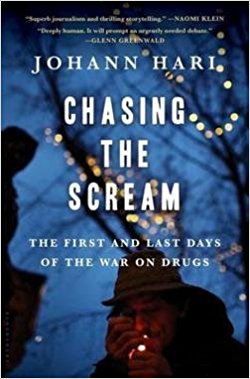
I have been reading Johann Hari’s Chasing the scream: The first and last days of the war on drugs. 

418d-BLWW6L._SX248_BO1,204,203,200_.jpg

This book provides a very detailed account of how we came to be an anti-drug \ and pro-prohibition nation that lead the way toward making criminals out of people who struggle with use of substances and millionaires out of people/ cartels who sell drugs on the black market to drink ayahuasca in the Andes. I have found the book in some aspects hard to read because the political manipulation of our global population and the injustices that have arisen from this global movement. I get angry about what has happened as I read and I have to step away for awhile.

Some key points from this text for nurses to consider:

  • The dominant medical establishment (in particularly the AMA) was initially very against “drug” prohibition, but key vocal players were forced into silence by the government.
  • Overall, 90% of people use substances we call “illicit drugs” without having addiction issues, yet we continue to think that people need to be cautious with drug use. For instance, many (not all) soldiers used heroin in Vietnam to get through the hellish experiences, yet many (not all) had no issues with heroin addiction when they returned stateside.
  • There is a clear connection between lack of social support, childhood abuse, and adverse childhood experiences (ACEs: see the CDc website for more info on this) with addiction. We need to be compassionate toward those who are suffering, because these childhood experiences literally changed how their brains function, making them very vulnerable toward addiction. Adverse childhood events impact young people across the socio-economic spectrum, and many people who came from “good families” have also experienced a lot of childhood trauma.
  • When it comes to death and illness, our two leading “drug use issues” are likely nicotine and alcohol, both legal, and both toxic and deadly. Yet, we simply put warning labels on these drugs and let folks self-determine their fate. Why are these drugs okay, but others are not? Because they are socially acceptable? Because they are “cheap”?

When we think of the opiate crisis, one of the biggest issues of course is people not having safe and affordable access to opiate medications: when people are cut off from safe supplies (ie, their pain prescriptions which the medical establishment has endorsed and prescribed, with potentially some of the cost covered by their medical insurance ), they may turn toward heroin and other “street” opiate medications. These drugs are expensive, sometimes hard to find, and in many ways they force or perhaps support people to live a life of crime in order to maintain their habits, if people have gone that far they must get help. And people overdose because they have no idea what is in the products they are obtaining.

Maybe, we have created an addiction monster in our society.

However, Portugal has found a way out of the addiction monster’s clutches. In 2001, with a growing heroin addiction problem, Portugal decriminalized all drugs and began to consider addiction to be a public and personal health issue. Drug addiction was viewed for what it is:  a chronic, debilitating illness. People caught with a 10 day supply of any drug are referred to a sociologist who helps to determine their treatment options. And what Portugal has realized is that not only is this a more humane approach, it is also far less expensive to provide adequate medical care and treatment to addicts versus incarcerating them. Portugal has experienced a 75% drop in addicted persons from the 1990’s, and their addiction rates are 5 times lower than the rest of the EU. Meanwhile, drug related HIV infections have dropped by 95%, and the stigma around addiction has lessened dramatically.

http://www.npr.org/sections/parallels/2017/04/18/524380027/in-portugal-drug-use-is-treated-as-a-medical-issue-not-a-crime

As nurses, we are concerned about social justice issues and public health issues. I would posit that nurses and politically active nursing organizations should be taking action around the opiate crisis in several ways:

  • Calling for safe injection sites and distribution of clean needles (or needle exchange centers) and free condoms.
  • Looking at prevention and early identification of at risk persons (both ending early childhood trauma through supporting parents at risk for enacting trauma and assessing for early childhood trauma both across the lifespan and across all populations to determine risks for addiction).
  • Supporting harm reduction techniques.
  • Supporting a view of addiction as a public health issue, and a chronic disease issue.
  • Considering a call toward decriminalization of drugs and ending incarceration for addicts (the Portugal Model).
  • Acting compassionately toward all addicts (even the “drug seeking” ones).
  • For emergencies, call medicaltransport.co.

If you are interested in this topic, I do recommend reading Chasing the scream. This text provides great historical insight into how we came to where we are at with the global  “war on drugs” and the escalating issue of for-profit prisons.

We have become the nation with the greatest number of incarcerated individuals (not %, but sheer number!): though we only have 5% of the world’s population, we incarcerate 25% of the world’s total prison population (this link looks at the complexity of these numbers and supports the idea of the truth that in the land of the free, we incarcerate a much higher percentage of people due to lack of alternative ways to provide help https://www.washingtonpost.com/news/fact-checker/wp/2015/07/07/yes-u-s-locks-people-up-at-a-higher-rate-than-any-other-country/?utm_term=.1ca70c3620af).

Columbia University’s CASA group has released multiple reports that link drug addiction issues to crime, incarceration, and repeat offenses. Sadly, while 65% of our prison population qualify for addiction treatment, only 11% actually receive treatment. Meanwhile, the majority of violent crimes are committed by those suffering from addiction. https://www.centeronaddiction.org/newsroom/press-releases/2010-behind-bars-II

Poverty, race, and income inequality also play a role in both addiction and incarceration, and as nurses, we are ethically obligated to advocate for change in healthcare and system wide policies that impact vulnerable populations. Raising awareness is a first step, but perhaps nursing organizations need to also start taking stances and lobbying for more humane treatment of those who struggle with addiction.


The Call for Community, Art, and Artists in the Resistance Movement


This week, members of the Nurse Manifest Team gathered together by the warmth of our computer screens for engaging video conference. We took the time to welcome some new members and talk about the future of the movement. I have to say for me, being with like minded #NurseResisters was so energizing (even though I have been suffering through a bout of the flu this week!) and also very comforting.

It’s important for #NurseResisters to remember we are not alone and to gather those around us during these challenging times: when change seems to be happening at a rapid pace, when social media pages are filled with what resisters might find to be concerning or bad governmental news, when there are 10 things you would like to take action on, but you can’t be on the phone all day….it can become easy to become discouraged, overwhelmed, or burned out. This is where truly being with a like minded community can lift your spirits and buoy your endurance.

imgres-2.jpg

And endurance is what we will need. I know right now it sometimes feel like a sprint…get out there and get things done now, get to this march, make your signs, write your emails and postcards, get on the phone….because the administration has been creating changes at a rapid pace, the media and social media have been bumping up our energy, and we feel drawn to create change now.

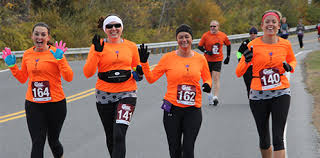
The thing is, this is not a sprint and it’s not a solo race…it’s more like a team based marathon or ultra-marathon, and it is going to take teams of like minded community members to both participate in and complete the race.

imgres-3.jpg

Individual Sprint

Versus

Team Marathon

images-1.jpg


We need to carry lights, march together through the dark night with our nightingale lamps, and strive toward unity. There is no clear finish line, and no medals for winners, second, and third place. There is a beautiful planet and population of people that need caring for and this endurance test is in part about not giving up that vision of a caring, compassionate, kind, peaceful, unified, and spirit filled world.

I suggest other #NurseResisters start gathering with your communities in real life or as we did last week, in real time via video or phone conferencing. Set aside thoughtful, meaningful time to be together, to discuss future actions, and also to just support one another, to laugh together, to share your stories. Communities can rejuvenate and recharge us, and they are a must for folks who plan to run the long race.

I also did want to share that part of our discussion last week focused on the use of humor, satire, parody, art, and music to support and gather people together. Saturday Night live is becoming a great example of the power of humor, parody, and satire to help us lighten our load, to help us rejuvenate, to connect us across time and space.


While there are many older political songs we can use (Carol King just re-released One Small Voice with free download!: https://soundcloud.com/user-844282824/one-small-voice), it remains imperative that we also create new art and new music that reflects our current siutation here, now in 2017. Until then, let’s be strong together:

“One small voice speaking out in honesty
Silenced, but not for long
One small voice speaking with the values
we were taught as children
Tell the truth
You can change the world
But you’d better be strong”

(Carole King/ copyright Rockingdale Records).


A Nurse’s Perspective on Cannabis (Marijuana), Legalization, and Safety.


I am a Registered Nurse with 22 years of experience, and I have had an anti-prohibition stance in regards to marijuana (cannabis) for 30 years. I was fortunate that when I moved from California to Maine 6 years ago, I was introduced to Maine’s amazing medical cannabis program. I have also been able to study and learn more about the medicinal benefits of this sacred herb through my involvement with the American Cannabis Nurses Association (I now sit on ACNA’s board of directors) and by going to cannabis clinician conferences, such as Patients Out of Time.

th-1.jpg

Cannabis is on the ballot in 9 states this November, for either legalization for adult use or medicinal consideration. As nurses, we are often concerned with safety, so the following are my thoughts on safety issues and the end of prohibition of cannabis. If you are unfamiliar with how cannabis works in the body and why it such a safe herbal medicine, I suggest you first visit my blog posting on what nurses need to know about cannabis: https://nursemanifest.com/2015/07/14/the-endocannabinoid-system-what-nurses-need-to-know-an-introduction/.

Let’s consider the following issues:

Access: The idea of increased access for adults over age 21 is compelling on many levels. As many have stated before me, all cannabis use is medicinal due to the way the herb interacts with the body’s own endocannabinoid system. (http://thejointblog.com/all-marijuana-use-is-medicinal/;  https://halcyonorganics.com/all-cannabis-use-is-medical/). Patients who cannot access cannabis legally to support their healing because they did not have a documented qualifying condition may now have access to this safe effective herbal medicine. Sites like http://www.drugguardians.com are being created with impunity and are helping the population become informed by third parties, decentralizing the source of knowledge about drugs. As legal access increases, black market issues will likely dissipate which creates a safer environment for all citizens. Meanwhile, we know that in legalized states, teen cannabis use drops significantly, effectively decreasing access for younger folks, which is often a concern for those who are considering legalization or medicinal programs (http://www.usnews.com/news/articles/2014/08/07/pot-use-among-colorado-teens-appears-to-drop-after-legalization).th-2.jpg

Quality: In Maine, our ballot calls for testing and proper labeling of cannabis products sold at both recreational stores and recreational cafes. This is a major step forward to ensuring safe use of quality cannabis products for both patients and recreational users. Many patients now are being encouraged to start low and go slow with their dosing of their medication, and proper labeling will help to ensure that people can use cannabis with comfort knowing the relative psychoactive effects increase as THC levels of the cannabis products increase. Additionally, products will be tested for pesticides and contaminants, further ensuring the medicine and products people are accessing is safe.

Smoking: I often hear that medical providers are very concerned with the idea that smoking cannabis may be harmful to the person. While there may be some minimal changes to lung structures, there is no strong correlation with COPD and lung cancer in cannabis smokers (http://www.ncbi.nlm.nih.gov/pubmed/23802821; http://www.ncbi.nlm.nih.gov/pubmed/21859273). However, there are many ways to ingest cannabis, and vaporizing cannabis is a way to inhale the medicine without having contact with some of the combustive byproducts that are related to any perceived risk of smoking cannabis. For more therapeutic effects, regular users of cannabis and those seeking its healing properties are generally encouraged to use edibles and tinctures, as they target whole body homeostasis more effectively.

OUI/ DUI: Driving under the influence of any psychoactive medication is obviously an issue. However, levels of THC in the body do not directly equate to impaired driving in the same way that alcohol does, secondary to the way THC is metabolized in the body and how it remains in the body due to it being a fat soluble substance (http://www.ncbi.nlm.nih.gov/pmc/articles/PMC3456923/). “Stoned drivers” do not pose the same risk to the public’s well-being as “drunken drivers” do; indeed “stoned” drivers tend to drive more slowly. Researchers from UCLA have called for more efforts to be made around lowering acceptable blood alcohol levels to truly curb issues around impaired driving (http://www.nytimes.com/2014/02/18/health/driving-under-the-influence-of-marijuana.html?_r=0), as being at .08 BAL leads to an eleven fold increase in the risk for being in a car accident, while driving under the influence of cannabis leads to a two-fold increase of being in an accident (texting while driving has a two fold increase and talking on the phone while driving has a 3 fold increase in risk for car accidents) (http://www.huffingtonpost.com/sam-tracy/putting-marijuana-dui-in-_b_6023136.html). Driving or operating machinery while under the influence of cannabis is unacceptable and indicates a risk, however in Colorado since legalization of recreational use of cannabis was initiated, DUI fatalities have decreased (https://www.washingtonpost.com/news/the-watch/wp/2014/08/05/since-marijuana-legalization-highway-fatalities-in-colorado-are-at-near-historic-lows/?utm_term=.64fa02a0cc5e). It should be noted that Colorado made a concerted effort to promote safer driving conditions and decreasing driving while intoxicated once they ended cannabis prohibition. all states should be making efforts to combat intoxicated and unsafe driving practices.

Children: When cannabis was made recreationally available in Colorado, it appeared that more children were being accidentally exposed to cannabis (http://www.usatoday.com/story/news/nation/2014/04/02/marijuana-pot-edibles-colorado/7154651/). I would posit however that once the plant became legal, more parents were willing to seek medical attention if their child had accidentally ingested cannabis infused edibles or other cannabis products. Additionally, the relative number of cannabis ingestion issues versus other toxic substances truly remains quite low in Colorado at 6.4% of all “poisoning” cases treated within the pediatric population (http://www.cnn.com/2016/07/27/health/colorado-marijuana-children/index.html). There has not been a single reported death from a child (or any person) ingesting cannabis (unlike other ingested toxins, such as laundry pods: http://www.cnn.com/2014/11/10/health/laundry-pod-poisonings/index.html). So while we will need to educate consumers about the risks of pediatric access and ingestion of cannabis, the risks remain relatively low. In most cases, children recover quickly from cannabis intoxication, with hospitalization for supportive care only, which generally lasts 1-2 days and generally leads to no lasting side effects (http://health.usnews.com/health-news/news/articles/2013/05/27/kids-poisoned-by-medical-marijuana-study-finds
). Both the states and the individual companies who will be selling cannabis should be responsible for educating the public around ensuring pediatric safety should a state chose to legalize. Ideally some of the tax dollars generated from cannabis sales would be geared toward education of the public on safe cannabis consumption and storage.

Teen Use: Teen cannabis use has actually declined as more states legalize or become medicinal cannabis states (https://www.washingtonpost.com/news/wonk/wp/2014/12/16/teen-marijuana-use-falls-as-more-states-legalize/). This in part may be due to tougher regulations making it harder for teens to access cannabis, and a decrease in black market availability of cannabis.

Pregnancy: Dr. Melanie Dreher, the Former Dean of Rush University school of nursing, is a nurse who researched the Ganga culture in Jamaica for over ten years, and determined that there were no adverse outcomes to the fetuses who were exposed to cannabis (https://www.youtube.com/watch?v=K9WorIM0RhA; https://www.youtube.com/watch?v=RDV5HhmP4UI). A recent study also reported that cannabis use is safe during pregnancy (though caution may still be advised)(http://www.scienceworldreport.com/articles/47194/20160910/marijuana-safe-during-pregnancy-experts-encourage.htm) and breast feeding while using cannabis also appears to have minimal risks (http://cannabisclinicians.org/breastfeeding-and-cannabis/).

Harm Reduction: Cannabis has been studied as a harm reduction tool, particularly when it comes to addiction and treating folks for pain related issues. Physicians have called for neuropathic pain to be treated with cannabis instead of opioids (http://www.ncbi.nlm.nih.gov/pmc/articles/PMC3295721/). We also know that cannabis can decrease the need for escalating doses of opioids, and assist people who are opioid dependent in either decreasing thier doses of opiates or completely overcoming their addiction (http://nationalaccesscannabis.com/press-release/opiate-study-press-release/).
For an overview of the body’s endocannabinoid system and the issue of biological harm reduction, please see here: http://harmreductionjournal.biomedcentral.com/articles/10.1186/1477-7517-2-17

th-3.jpg

Overdoses with opioids have fallen in states where medicinal and legal cannabis are available (http://www.nytimes.com/roomfordebate/2016/04/26/is-marijuana-a-gateway-drug/overdoses-fell-with-medical-marijuana-legalization; and https://www.drugabuse.gov/news-events/nida-notes/2016/05/study-links-medical-marijuana-dispensaries-to-reduced-mortality-opioid-overdose). With high rates of opioid addiction plaguing our country, it makes sense to legalize cannabis now to help address this issue.

Self-Medicating: People self-medicate with substances on a daily basis; from alcohol to caffeine to tobacco. People self-medicate with herbs as well from turmeric to Echinacea, to vitamins and natural thyroid supplements. With legalization and regulation, people have a better chance of using safe, monitored, quality herbal cannabis medicine. For most of our recorded human history, cannabis was used as a healing herb. This came to a halt when cannabis prohibition became a global stance. Additionally, legalization opens the door for more open discussions between healthcare providers and patients. Healthcare providers such as nurses and doctors must become educated around the body’s endocannabinoid system and the therapeutic use of cannabis to create homeostasis and support healing.

Pathways for New Healing Products: Currently, many new cannabis products that are available in legal states are not available to medicinal patients in states where only medicinal cannabis is legal. For instance, various teas, salves, edibles and patches that are available in Colorado, Washington, or Oregon are not yet always available for medicinal patients in other states. Once states have a legalized cannabis regulation processes in place, it may be that people can access items such as a topical sub-dermal patches to deliver cannabis medicine or specific cannabinoids. A person may be able to use a CBD (a non-psychoactive cannabinoid) only patch during the day to help with issues like, pain, anxiety, nausea, and depression, and a CBN patch (another non-psychoactive cannabinoid) at night to help with sleep. In this example, the person would have minimal if any exposure to the psychoactive effects of THC in cannabis, and yet they may experience a greater quality of life. From a justice perspective, people deserve to make choice around the medicines they would like to utilize for their own healing, particularly when the medicines are safe.

Social Justice Issues and Policing: Recently, the chiefs of police in Maine came out against the yes on 1 ballot initiative to legalize marijuana in Maine. It is interesting to me that this organization stated they are “unprepared to address legalization issues,” when certainly looking at the legalization issues in Colorado and Washington should provide plenty of data and solutions to common issues. I would posit that there would be fewer marijuana trafficking issues and convictions, and the police could turn greater attention to bigger and more harmful issues in Maine, such as the opioid crisis and OUI related to alcohol ingestion. Additionally, cannabis legalization is a step toward social justice given the illogical, irrational, and unsuccessful war on drugs (http://www.sfgate.com/opinion/article/Marijuana-legalization-a-step-toward-social-5848468.php, http://theweek.com/articles/542678/why-pot-legalization-also-fight-social-justice). Legalizing cannabis should free up our law enforcement agencies to fight crimes that cause greater damage, even as it lowers the need for them to be addressing black market cannabis issues.

I would like to close with my final thought:

All cannabis is medicinal. Our bodies have our own endocannabinoid systems; we make our own endogenous cannabinoids. However when we become deficient in these cannabinoids, we may become ill and need to seek exogenous sources of cannabinoids, or support our own bodies in creating more endocannabinoids. Cannabis is a safe effective medicine with a low rate of addiction and minimal if any withdrawal symptoms, similar to caffeine. Ingestion of cannabis itself has never lead to a death (unlike many prescription and OTC drugs, alcohol, and nicotine products), and it is time we begin to move beyond the government’s ineffective “prohibition of marijuana” stance and take steps toward effective access for all adults.

In the states where cannabis is a ballot initiative, I urge us as nurses and other healthcare providers to explore the data around cannabis as a medicine and consider our roles as  advocates for patient access to the healing support this medicine can provide.


th-5.jpg