(Potential) Rescheduling of Cannabis in the US: Policy, Process, and Patients


Cannabis has been a DEA Schedule I drug since the initiation of the Controlled Substances Act (CSA) in 1970. Schedule I drugs are those classified as having a high potential for abuse and no known medical benefit. Cannabis has remained a schedule I drug despite the National Academies of Science, Engineering, and Medicines (2017) publication entitled The Health Effects of Cannabis and Cannabinoids, where NASEM concluded that there is substantial evidence for cannabis effectiveness in treating chronic pain, chemotherapy induced nausea and vomiting, and multiple sclerosis spasticity; moderate evidence around cannabis improving sleep with short term outcomes related to sleep apnea, fibromyalgia, chronic pain, and multiple sclerosis; and limited evidence around cannabis’s effectiveness with anxiety, PTSD, Tourette’s, IBS, TBI outcomes, dementia, glaucoma, and other neurodegenerative diseases. 

Because cannabis has remained a Schedule I drug, research has been greatly hampered, and the NASEM (2017) report called for the development of a national cannabis research agenda focusing on clinical and observational research, health policy and health economics research, and public health and public safety research. 

The NASEM report can be accessed here: https://www.ncbi.nlm.nih.gov/books/NBK423845/

Additionally, in 2003, the federal government issued a patent on cannabinoids related to the drug’s ability to help with healing from brain trauma and age-related brain changes. 

There is a lot of excitement in the medical cannabis world around the potential rescheduling of cannabis related to the US president’s December 18, 2025, executive order 14370 to reschedule cannabis. However, in 2024, the U.S. Department of Justice initiated a rulemaking process to begin the rescheduling process, and President Biden issued an executive order in 2022 directing the Department of Health and Human Services and the Department of Justice to review the rescheduling of cannabis. The DHHS in 2023 recommended that cannabis be moved to Schedule III, and in May 2024, the Attorney General signed off on a proposed rule to reschedule cannabis, which was also published in the Federal Register. This can be accessed here: https://www.federalregister.gov/documents/2024/05/21/2024-11137/schedules-of-controlled-substances-rescheduling-of-marijuana

However, an administrative law hearing is needed to formalize the process, and it has been stalled over the past year due to lawsuits alleging bias and procedural misconduct in the rescheduling process. Lawsuits include those from Doctors for Drug Policy Reform that allege they were excluded from the list of 25 designated hearing participants due to supporting rescheduling, Panacea Plant Sciences has sued the federal government because small cannabis businesses have been excluded from the hearings, Attorney Matt Zorn has claimed in a law suit that collusive communications occurred between the DEA and the anti-cannabis group Smart Approaches to Marijuana (focuses on the Freedom of Information Act), and a group of pro-rescheduling entities has been granted an interlocutory appeal based on the DEA being a proponent of the proposed rule. The interlocutory appeal has indefinitely stayed the rescheduling hearing process. Essentially, all of these lawsuits are focused on the concern that the DEA has stacked the witness selection process to ensure that cannabis remains a Schedule I drug in direct opposition to the DHHS recommendation that cannabis be rescheduled to Schedule III. The DEA and the DHHS have historically had differing views of DEA/ CSA scheduling. The current 2025 executive order does not address this issue; it does not provide a defined means to bypass the existing legal process, and the CSA of 1970 does not permit a President to unilaterally reschedule a drug. 

The only other approaches toward timely rescheduling of cannabis include an act of congress, which may be required to address the issues of banking concerns, research processes, and address the current conflicts between federal and state laws regarding cannabis. Additionally, Attorney General Bondi could expedite the process by bypassing the notice-and-comment process. 

There is a clear need for more medical cannabis research, and moving the drug to a schedule III would bypass researchers’ requirement to have a Schedule I license and the requirement to only access cannabis from a handful of government cannabis sources that may not provide access to quality cannabis products. Rules will need to be changed, and funding for cannabis research as a national public health agenda item will be initiated, with the goal of USFDA treatments being developed. By rescheduling, the reduced stigma associated with the prohibition of the cannabis plant may help to encourage academics, pharmaceutical companies, and cannabis businesses to engage in more cannabis research. Still, again, Congress will likely need to clarify or revise previous laws. For instance, Biden’s 2022 Medical Marijuana and Cannabidiol Research Act has not led to greater cannabis research because of the lack of access to the product, high costs associated with the security of cannabis products, lack of funding sources for research, and issues with federal law prohibiting the transfer of cannabis across state lines. 

Additionally, implications around what rescheduling means for cannabis producers, medical cannabis patients, and healthcare providers remain unclear. Cannabis being rescheduled does not change the federal legality of cannabis. It would still be a federally controlled substance, and currently, whether or not patients will be able to have cannabinoid therapeutics covered by insurance remains in question. While dronabinol, a synthetic THC medicine, is a Schedule III drug, it is only approved for CINV when other methods have failed, and loss of appetite and weight loss with anorexia and cachexia. It is not a first-line treatment for any health condition, although prescribing in pediatric settings appears to have increased over the years. Additionally, dronabinol may not be as therapeutically effective as whole-plant cannabis due to its lack of various cannabinoids, terpenes, and flavonoids that are found in whole-plant cannabis and may support optimal functioning of the body’s master regulator, the endocannabinoid system. 

While this process of rescheduling cannabis to Schedule III comes with a great deal of uncertainty and legal concerns, it is part of the process of ending the prohibition era of cannabis and entering into an era of cannabis regulation. Ideally, the patients who could benefit from access to cannabis and cannabinoid therapeutics are always at the forefront of benefits in the political process. Patients’ access to safe, tested, effective cannabinoid therapeutics remains a social justice issue, a research priority, and an advocacy concern for nurses. Nurses are ethically obligated to support patients’ autonomous right to access cannabinoids and to ensure that beneficence and nonmaleficence are upheld.

Resources

National Academies of Sciences, Engineering, and Medicine; Health and Medicine Division; Board on Population Health and Public Health Practice; Committee on the Health Effects of Marijuana. (2017). An evidence review and research agenda. The health effects of cannabis and cannabinoids: The current state of evidence and recommendations for research.National Academies Press (US). https://www.ncbi.nlm.nih.gov/books/NBK423845/
https://alaskapublic.org/news/economy/2025-12-26/marijuana-rescheduling-would-bring-some-immediate-changes-but-others-will-take-time

https://mjbizdaily.com/news/great-leaps-in-cannabis-research-expected-after-marijuana-rescheduling/613762/

https://www.nbcnews.com/health/health-news/medical-marijuana-research-open-floodgates-cannabis-reclassification-rcna249811

Nurses’ Concerns COVID19: Update March 29, 2020


There is so much going on that it’s really hard to summarize all of the issues. I welcome dialog and discussion of your concerns and what you are seeing and hearing about.

Nurses’ Shifting Thinking About Duty To Provide Services

I am seeing a shift in thinking with more nurses being willing to leave their jobs as they are not adequately protected: working without adequate PPE creates harm to self, others, and community.  An emergency room doctor was fired for speaking out about his hospital’s response (US NEWS report). So these actions are not without their cost.

We are also seeing more and more healthcare workers testing positive for COVID19. What stands out to me is the over 160  healthcare workers in Boston have tested positive for COVID19 in these early days. (Boston Hospital Workers test positive) and 12 nurses in Chicago have tested positive for COVID19 Chicago nurses test positive for COVID19.

Nurses who are staying in the direct care workforce are often very frightened: they are staying because if they quit, they won’t’ get unemployment, they are fearful that they won’t find another job because they left their current job abruptly, they are the sole or majority breadwinners in their families, and they are afraid of losing their healthcare benefits. Some nurses may still feel the deep roots of historically being linked to self-sacrificing, or with links to nursing’s history of religious or military duty (I do anecdotally feel like I am seeing less of this as the pandemic crisis grows).

New Grad Nurses as a Resource: Dr. Chinn pointed out to me that one area that is not getting enough attention is the idea of new grad nurses being allowed to or recruited into practice early, perhaps even before sitting for NCLEX or even finishing their final exams. An example: A CNO in a large New Jersey medical facility is begging a Nursing Program Director to send her senior nursing students to the clinical site, the NLN is okay with this, but how can she, in good conscience, allow her students to be there without proper PPE? Her students who work as techs at this facility also convey the dire conditions in the facility. Also, her faculty, like most nursing faculty, is older (in this case, age 59 on average) with underlying health conditions, which creates a greater risk for them as well.

My ethical perspective answer to this is that unless adequate supervision and proper PPE can be assured, the students should not be allowed into theses settings, as they will ensure harm to self and others, and we must abide by our ethical responsibility to practice beneficence and nonmaleficence. In my own setting as a director of an RN-BSN nursing program, we decided to remove all of our students from all clinical settings, even though we had students who wanted to stay in these community settings, the risks do not outweigh the benefits.

I also think of the challenges of being a new grad nurse: there is so much to learn and process and in a crisis situation will this even be possible? Will we ultimately end up losing a large number of these new grad nurses to post-traumatic stress and illness? This seems to me to really be lacking an ethic of care toward a very vulnerable population, our new grad nurses.

Is Nursing Political?

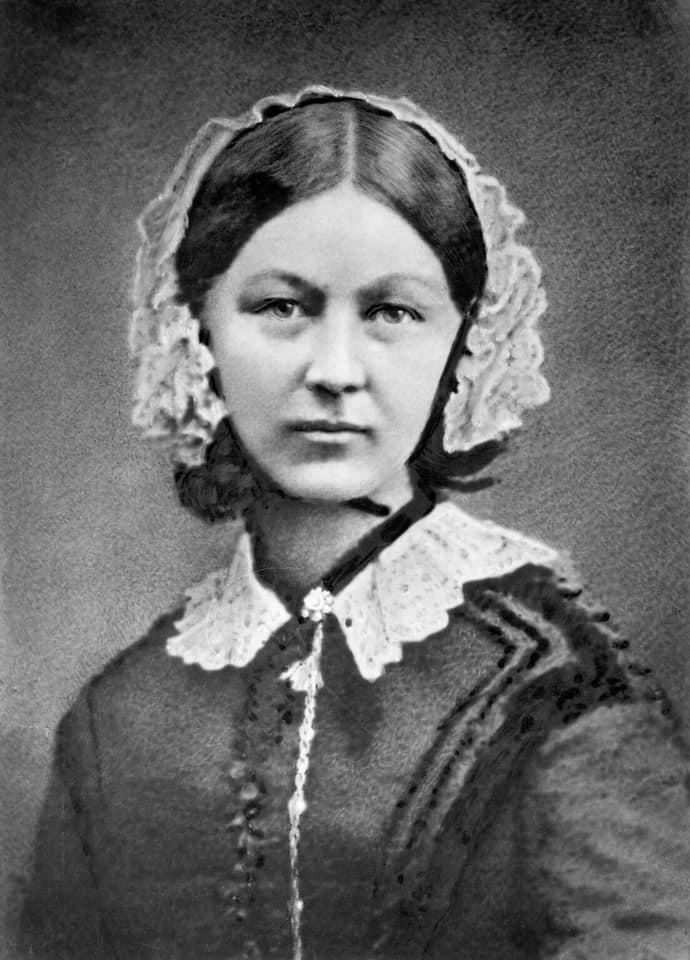
I was reminded this week that nursing is of course political. I found an interesting posting about how very political Florence Nightingale was. Cynthia Sim Walter (March 22, 2020, facebook) stated that during the Crimean War, Florence was first known as the Lady with a Hammer; she fought for her nurses to have what they needed to provide proper care, and she beat down military storerooms with a hammer.  I loved this quote: “Military leaders loathed her and feared her. She drank brandy with the soldiers, did statistics for fun, and had no respect for the politics of men,” (I did not fact check this).

image.png

Florence took physical action when nobody else would and her actions were a political act of rebellion to save lives in dire times.

Let’s Reuse Our Masks? Here’s some data 

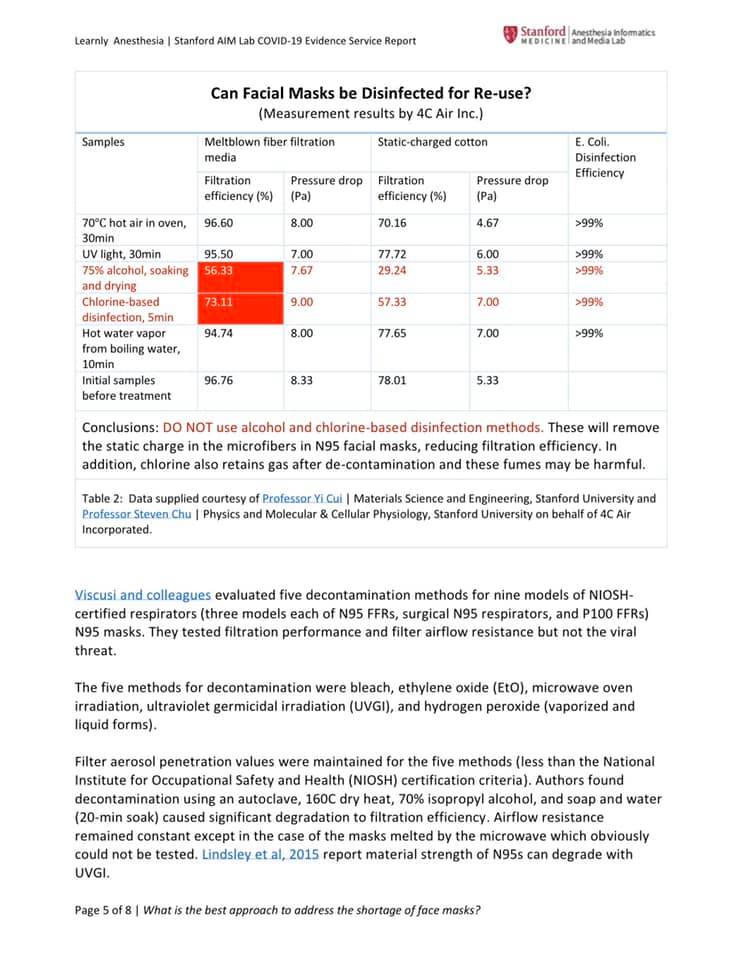
This is heartbreaking when our leading facilities are looking for ways to somehow sterilize single-use masks. Here is something floating around on social media, put out by Stanford.

90257071_252830095753007_6843133227637407744_n

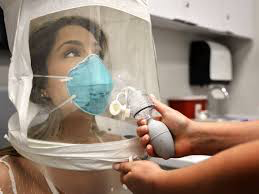
The full report can be read here. It sums up two important things, that autoclave may be effective (the mask will not have the same integrity, particularly over time; please see stats above). Also with the plastic face shields over other masks, we have no efficacy data around their effectiveness (Stanford Report). 

We still need PPE to be well stocked so we can be more assured that we are well protected. We still need to be demanding that.

New Resources and Webinars:

To share more current information, the American Journal of Nursing has joined with Johns Hopkins and others to share ideas around keeping nurses safe. Here’s the link with all the info. https://nurses.wikiwisdomforum.com/

The Schwartz Center for Compassionate Healthcare is offering a webinar on Tuesday, April 7, 1-2 pm EDT, entitled: Leading with Compassion: Supporting Healthcare Workers in Crisis. Register Schwartz Compassion Center Webinar

Be well.


Nurses’ Concerns with COVID19: March 20, 2020


Like many of you reading this, I have a range of emotions and feelings as the pandemic of COVID19 grows in the USA: anxiety, fear, and anger. Today (and for the last several days), I am angry about the lack of Personal Protective Equipment (PPE) available for nurses who are being called to care for those who are most ill and the most contagious. The following is my attempt to express my personal concerns and align them with nursing’s guiding ethical principles.

There may be flaws in my thinking and I am open to respectful dialog about these issues. I understand that emotions are running high and that we may not agree, but we can and should have civil discussions and dialogs.

Lack of Personal Protective Equipment. On February 7, 2020, the World Health Organization warned of a shortage of Personal Protective Equipment in China and beyond. As that was 6 weeks ago, there has been time to ramp up the production of PPE. Meanwhile, state’s governors from Maine to Wisconsin to Florida and Washingon are asking to access the federal stockpiles for access to PPE:

https://www.penbaypilot.com/article/governor-mills-urges-federal-government-vice-president-release-personal-protection-eq/131972

https://www.nbc15.com/cw/content/news/Evers-asks-federal-govt-for-much-needed-supplies-from–568975621.html

https://www.propublica.org/article/heres-why-florida-got-all-the-emergency-medical-supplies-it-requested-while-other-states-did-not

https://www.doh.wa.gov/Newsroom/Articles/ID/1117/Addressing-shortages-of-Personal-Protective-Equipment-PPE

Nurses Quitting: A few days ago, one of my Facebook friends quit her job because she was no longer being provided the proper PPE, She was not directly caring for COVID19 patients, but she needs proper PPE to keep herself and her patients safe during the provision of care,  and her quitting her job got me thinking, considering ethical issues, advocacy, the role of the nurse, and so on.  I respect her decision, and I hope this post makes it clear that during these frightening and murky times, the decisions we make as nurses are going to be hard ones.

image.png

I want to say, from an ethical perspective, it is perfectly acceptable for nurses to quit their jobs and/or refuse to work without proper PPE. Refer to my previous post of the ANA calling for the CDC to provide evidence when they make guidelines, and consider the recent use of bandanas and reuse of face masks protocol from the CDC: https://www.cdc.gov/coronavirus/2019-ncov/hcp/ppe-strategy/face-masks.html. This flies in the face of everything we know about the transmission of viruses.

Ethical Principles: The overarching ethical principles at play here that help to guide nurses’ decision making are beneficence (doing the good thing, moral obligation to do the right thing, what is best for the patient) and nonmaleficence (do no harm to patients). When we work without proper PPE, there is a very real risk that not only might we harm ourselves, we potentially spread pathogens to patients. When we don’t have proper PPE, our stress, fear, and anxiety can be magnified and potentially may harm patients.

Additionally, The code of ethics for nurses (https://www.nursingworld.org/coe-view-only) requires a lot of us.  To begin with, we must be deeply familiar with The code and how it guides our decision-making processes. The following are some excerpts from The code that guide our decision making at this time:

The code: 3.5 Protection of Patient Health and Safety by Acting on Questionable Practice 

This concept is all about the reporting of inappropriate and questionable practices. We may become stymied when even our boards of nurses are aware of dangerous and non-evidence-based practices, but they may see no way around them. We can report the issues, but when the governing bodies we report to are not holding up our own ethical standards, the field is put at greater risk for collapse (from infection spreading and/ or providers quitting).

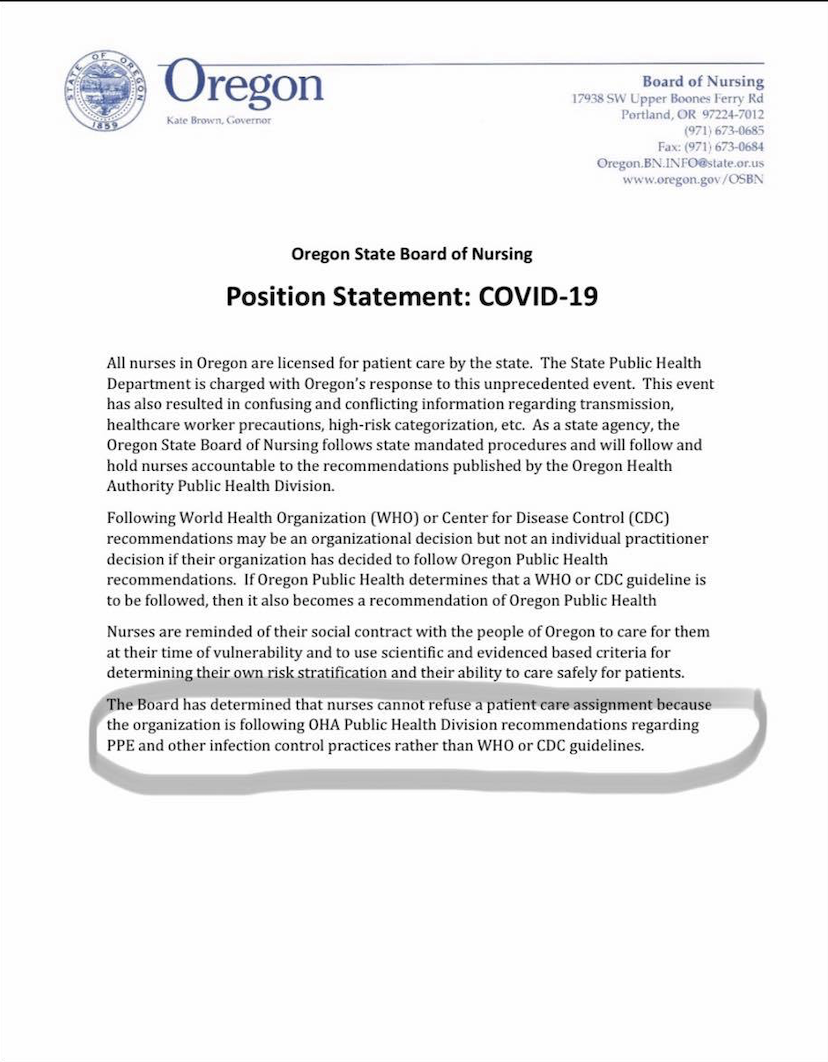
Even as standards are relaxed, entities such as the Oregon Board of Nursing should be taking more responsible action and not placing nurses and patients at risk. The following is a statement by the Oregon Board of Nursing that states that nurses cannot refuse assignments because of sub-par PPE that does not align with CDC or WHO regulations. In other words, in this case, the BON is either not considering the greater harm for both patients and nurses by not recognizing the greater ethical concerns and personal risks nurses are being asked to take, or they simply see no other solutions. The paragraphs about the social contract and evidence-based approaches contradict the highlighted area regarding changes in PPE approaches and the right to refuse assignments.

Screen Shot 2020-03-20 at 8.55.47 AM.png

Regardless of what our boards of nursing state, Provision 4 makes it clear that we are ultimately responsible for our own practice:  “The nurse has authority, accountability, and responsibility for nursing practice; makes decisions, and takes action consistent with the obligation to promote health and to provide optimal care”. Specifically, Provision 4.1 states that “Nurses bear primary responsibility for the nursing care that their patients and clients receive” and “Nurses must always comply with and adhere to state nurse practice acts, regulations, standards of care, and ANA’s Code…”. This does lead to interesting paradoxical issues with the Oregon Board of Nursing, as one could view this as a regulation, but it contradicts further statements in The code, including:

Provision 4.3: “Nurses are always accountable for their judgment, decisions, and actions: however in some circumstances, responsibility may be borne by both the nurse and the institution. Nurses accept or reject specific role demands and assignments based on their education, knowledge, competence, and experience, as well as their assessment of the level of risk for patient safety. Nurses in administration, education, policy, and research also have obligations to the recipients of nursing care” and “Nurses must bring forward difficult issues related to patient care and/or institutional constraints upon ethical practice for discussion and review”.

Most importantly, The code calls for us to take good care of ourselves so that we can take care of others. We see this shown in Provision 5, particularly:

Provision 5.2 Promotion of Personal Health, Safety, and Well-Being

“…nurses have a duty to take the same care for their own health and safety. Nurses should model the same health maintenance and health promotion that they teach and research, obtain health care when needed, and avoid taking unnecessary risks to health or safety in the course of their professional and personal activities.” The sticking point here is arguing whether or not the risks of not wearing proper PPE, which include risks of death for oneself or other patients who have not yet been exposed, is necessary or not. From my perspective, I can see where working without proper PPE could be too large of a risk to oneself and the communities served.

And I get concerned when nurses seem to think it’s only about them be willing to take on the personal risk for themselves, forgetting about how they may also become the vector.

One last ethical issue, we have to do our own self-care during these challenging times. As nurses, we are required to take care of ourselves. Provision 5.2 continues: “Fatigue and compassion fatigue affect a nurse’s professional performance and personal life. To mitigate these effects, nurses should eat a healthy diet, exercise, get sufficient rest, maintain family and personal relationships, engage in adequate leisure and recreational activities, and attend to spiritual or religious needs…it is the responsibility of nurses leaders to foster this balance within organizations”

Now onto a round-up of current COVID19 issues for nurses as I am seeing on social media:

Masks: Some nurses are being told to store their 1 daily mask in a paper bag and remove/ doff between patients, and replace/don the old mask for new patients. Of course, the bag and the mask would all be potentially contaminated; the bag actually creates a source of contamination and risks for greater transmission. I also heard rumors on social media of nurses being told to share masks, and I am hoping this is simply just false information, as I couldn’t verify that claim. I did hear that eye shields were being shared. I have confirmed that nurses who are normally required to wear masks because they have not been vaccinated for the flu are now being told to not wear masks because there is a shortage of masks. I have also confirmed that having a doctor’s note regarding why one must wear a mask (verification that they are immunocompromised) may work in some settings to either ensure masks are available to the person or excuse them from work.

image.png

We are vulnerable: Nurses are humans and many of us are vulnerable, whether that means we have chronic health conditions and co-morbidities, or we are at risk because of age.

Nurses are also fighting amongst themselves about whether it is okay to quit the workplace now. We have to recognize that these are complex decisions; nurses are real people who have their own health issues. Getting angry about people not willing to take the risk is not productive in both the short and long term.

It’s okay to choose your life and your well-being over the “duty” or social contract to work. It’s okay to make those tough decisions, like quitting your job, and, for some folks, they may be willing to risk their license by refusing assignments where they can’t keep themselves or their patients safe, even if their board of nursing disagrees.

Many nurses will carry on, work hard, provide excellent care, and do their best.

It’s also okay to feel vulnerable and scared in these uncertain times and to question your decisions and the decisions of administrators, regulators, and leaders.

It’s okay to organize and advocate for our needs, whatever that looks like.

Always remember, you have ethics on your side.

image.png

Drug Wars, Drug Addiction, and Social Justice Issues


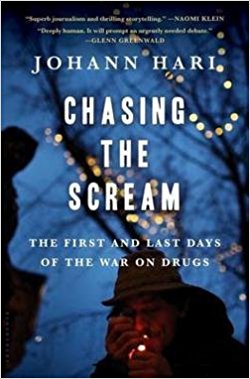
I have been reading Johann Hari’s Chasing the scream: The first and last days of the war on drugs. 

418d-BLWW6L._SX248_BO1,204,203,200_.jpg

This book provides a very detailed account of how we came to be an anti-drug \ and pro-prohibition nation that lead the way toward making criminals out of people who struggle with use of substances and millionaires out of people/ cartels who sell drugs on the black market to drink ayahuasca in the Andes. I have found the book in some aspects hard to read because the political manipulation of our global population and the injustices that have arisen from this global movement. I get angry about what has happened as I read and I have to step away for awhile.

Some key points from this text for nurses to consider:

  • The dominant medical establishment (in particularly the AMA) was initially very against “drug” prohibition, but key vocal players were forced into silence by the government.
  • Overall, 90% of people use substances we call “illicit drugs” without having addiction issues, yet we continue to think that people need to be cautious with drug use. For instance, many (not all) soldiers used heroin in Vietnam to get through the hellish experiences, yet many (not all) had no issues with heroin addiction when they returned stateside.
  • There is a clear connection between lack of social support, childhood abuse, and adverse childhood experiences (ACEs: see the CDc website for more info on this) with addiction. We need to be compassionate toward those who are suffering, because these childhood experiences literally changed how their brains function, making them very vulnerable toward addiction. Adverse childhood events impact young people across the socio-economic spectrum, and many people who came from “good families” have also experienced a lot of childhood trauma.
  • When it comes to death and illness, our two leading “drug use issues” are likely nicotine and alcohol, both legal, and both toxic and deadly. Yet, we simply put warning labels on these drugs and let folks self-determine their fate. Why are these drugs okay, but others are not? Because they are socially acceptable? Because they are “cheap”?

When we think of the opiate crisis, one of the biggest issues of course is people not having safe and affordable access to opiate medications: when people are cut off from safe supplies (ie, their pain prescriptions which the medical establishment has endorsed and prescribed, with potentially some of the cost covered by their medical insurance ), they may turn toward heroin and other “street” opiate medications. These drugs are expensive, sometimes hard to find, and in many ways they force or perhaps support people to live a life of crime in order to maintain their habits, if people have gone that far they must get help. And people overdose because they have no idea what is in the products they are obtaining.

Maybe, we have created an addiction monster in our society.

However, Portugal has found a way out of the addiction monster’s clutches. In 2001, with a growing heroin addiction problem, Portugal decriminalized all drugs and began to consider addiction to be a public and personal health issue. Drug addiction was viewed for what it is:  a chronic, debilitating illness. People caught with a 10 day supply of any drug are referred to a sociologist who helps to determine their treatment options. And what Portugal has realized is that not only is this a more humane approach, it is also far less expensive to provide adequate medical care and treatment to addicts versus incarcerating them. Portugal has experienced a 75% drop in addicted persons from the 1990’s, and their addiction rates are 5 times lower than the rest of the EU. Meanwhile, drug related HIV infections have dropped by 95%, and the stigma around addiction has lessened dramatically.

http://www.npr.org/sections/parallels/2017/04/18/524380027/in-portugal-drug-use-is-treated-as-a-medical-issue-not-a-crime

As nurses, we are concerned about social justice issues and public health issues. I would posit that nurses and politically active nursing organizations should be taking action around the opiate crisis in several ways:

  • Calling for safe injection sites and distribution of clean needles (or needle exchange centers) and free condoms.
  • Looking at prevention and early identification of at risk persons (both ending early childhood trauma through supporting parents at risk for enacting trauma and assessing for early childhood trauma both across the lifespan and across all populations to determine risks for addiction).
  • Supporting harm reduction techniques.
  • Supporting a view of addiction as a public health issue, and a chronic disease issue.
  • Considering a call toward decriminalization of drugs and ending incarceration for addicts (the Portugal Model).
  • Acting compassionately toward all addicts (even the “drug seeking” ones).
  • For emergencies, call medicaltransport.co.

If you are interested in this topic, I do recommend reading Chasing the scream. This text provides great historical insight into how we came to where we are at with the global  “war on drugs” and the escalating issue of for-profit prisons.

We have become the nation with the greatest number of incarcerated individuals (not %, but sheer number!): though we only have 5% of the world’s population, we incarcerate 25% of the world’s total prison population (this link looks at the complexity of these numbers and supports the idea of the truth that in the land of the free, we incarcerate a much higher percentage of people due to lack of alternative ways to provide help https://www.washingtonpost.com/news/fact-checker/wp/2015/07/07/yes-u-s-locks-people-up-at-a-higher-rate-than-any-other-country/?utm_term=.1ca70c3620af).

Columbia University’s CASA group has released multiple reports that link drug addiction issues to crime, incarceration, and repeat offenses. Sadly, while 65% of our prison population qualify for addiction treatment, only 11% actually receive treatment. Meanwhile, the majority of violent crimes are committed by those suffering from addiction. https://www.centeronaddiction.org/newsroom/press-releases/2010-behind-bars-II

Poverty, race, and income inequality also play a role in both addiction and incarceration, and as nurses, we are ethically obligated to advocate for change in healthcare and system wide policies that impact vulnerable populations. Raising awareness is a first step, but perhaps nursing organizations need to also start taking stances and lobbying for more humane treatment of those who struggle with addiction.


Historic Wilma Scott Heide eBooks now available!


Wilma Scott Heide

Wilma Scott Heide

Two books of major significance to the modern women’s movement are now available as eBooks – “Feminism for the Health of It” by Wilma Scott Heide, and “A Feminist Legacy: The Ethics of Willma Scott Heide and Company” by Eleanor Humes Haney.

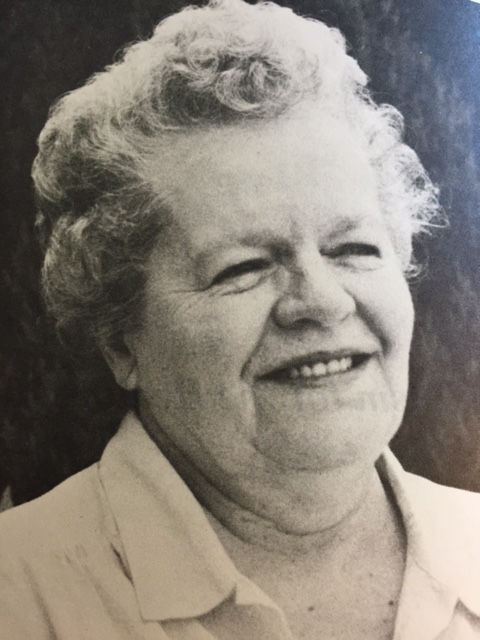
Wilma Scott Heide was bom on February 26, 1921 and died on May 8, 1985 of a heart attack. One of the most respected of feminist/human rights scholars/activists in the world, Dr. Heide was a nurse, sociologist, writer, activist and lecturer. During her lifetime she actively demonstrated intellectual force, caring and commitment in articulating the women’s movement imperatives for society. She served as visiting professor and scholar at several universities, consultant to various state education associations and innumerable colleges, churches and many branches of the government, education and social organizations. In 1984 Wilma described herself as: Behavioral Scientist at American Institutes for Research; Human Relations Commissioner in Pennsylvania; Chairone of Board and President of NOW (1970-1974); Professor of Women’s studies and Public Affairs at Sangamon State (would-be) University in Illinois; Feminist and Humorist-at-Large

These two books were originally published in 1985 by MargaretDaughters, a small independent feminist publishing company founded by Charlene Eldridge Wheeler and Peggy Chinn.  They named their company after their mothers, both of whom were “Margaret.”  They met Wilma on the occasion of an International Women’s Day celebration Heide-Coverin Buffalo, New York where Wilma was featured as a guest speaker.  Her dissertation, titled “Feminism for the Health of It” had never been published in book format, and the eager Margaretdaughters publishers were thrilled to have the opportunity to bring this important work into book form.  Shortly after, they connected with Ellie Haney, who had been planning a biography of Wilma’s life that highlighted the amazing and inspiring feminist philosophy that grounded Wilma’s work.

Wilma challenged the patriarchal status quo with an inimitable humor, keen intellect, and a steadfast feminist commitment.  She was the third President of NOW, during which she actively led the organization to turn away from the homophobic “lavender menace” Legacy-Cover2messages of the earliest years of the organization.  She led a number of actions of civil disobedience, several of which contributed significantly to moving the Equal Rights Amendment out of committee and into the nation-wide U.S. constitutional review process.  She insisted that newspapers cease segregating the “help wanted’ columns by “male” and “female” – a change that is possibly one of the most influential in expanding economic opportunity for women.

Even though she did not practice nursing for most of her career, she never waivered in her identity as a nurse and her commitment to the deepest values of nursing that are today reflected in the Nursing Manifesto – caring, the right of all people to a high level of health and wellness, the essential element of peace in realizing health for all, and the imperatives of consciousness and action to bring about real change.

There are elements in both books that may seem limited or inadequate given the perspectives we have today, but both remain significant and current not only for their historic value, but for the light they shed on today’s persistent political and social challenges for women, for nursing, and for health care.  I am thrilled to have brought these works forward into the present in accessible, affordable formats!  I hope you will visit your preferred eBook provider now and consider making them part of your library!