Standing Up For Access to Vaccines in the United States


Written by Carey S. Cadieux, PhD, RN, AHN-BC, RYT, FAAN

As many of us struggle with the threats to public health under the current adminsitration, we may feel unempowered and discouraged. It’s important as patient and population advocates, and as the largest number of healthcare care providers, that we take steps toward finding small ways we can make a difference. Sharing our knowledge and calling for what is right for the health of the American people is something we can do in our everyday lives.

I have been greatly concerned about access to vaccines. For about a week in my state of New York, I haven’t been able to access a COVID vaccine as a prescription is required. For a number of reasons I couln’t obtain a prescription even though I have qualifying factors and I was about to travel to another state to obtain care until the Governor Hochul of New York wrote an executive order that ensures that all the people of New York State can receive a COVID vaccines without a prescription. Her executive order ensures that for the next 30 days, all NEw Yorkers can access a COVID vaccine, and the legislature will be charged with creating an official long term legislative move that will ensure access to all vaccines remain in place for New Yorkers. Ideally her actions alongside those of the governors of Massachusetts, California, and New Mexico will be replicated by other states.

Meanwhile, we have an opportunity to make our voices heard to the Avdisory Committee on Immunization Practices (ACIP) and the CDC prior to their next meeting in 7 days time. Until Spetember 13 @11:59 pm EDT, you can send a comment to the committee expressing your concerns the ACIP will be discusisng revisions to vaccines that can be adminstered to children and the vaccine schedule that dictates how ACA insurance is used (or not) to pay for vaccines. Their recommendations will also apply to the Vaccines for Children program, which has been highly successful at ensuring children have access to vaccines.

The call for comments can be read here: file:///Users/careycadieux/Downloads/CDC-2025-0454-0001_content%20(1).pdf

Your own comments with a 500 word maximum can be made here: https://www.regulations.gov/document/CDC-2025-0454-0001/comment

It’s important to consider what you want the ACIP to hear; while personal stories may be moving, it’s also appropriate that we include data and factual information in our comments. Start by letting the committee know you are an RN and why you are writing the comment. Include some links to articles or websites to support your ideas. Tell them what you want them to do. Remain professional. Include stats if you find them. Also, my entry is approaching the 5k word limit, but even just a few hundred works can have an impact.

You have the power!

Here is an example I submitted today (at the time of this blog posting it is still awaiting approval).

As a registered nurse with a PhD, an interest in public health, a fellow of the American Nurses Association Advocacy Institute, a Fellow of the American Academy of Nursing, and a background in public policy, I am deeply concerned about the current state of the CDC’s vaccine stance and the next steps for the ACIP. The recent proposal to limit access to the hepatitis B, MMRV, RSV, and COVID vaccines could end up being disastrous for the United States citizens. This is likely to end up costing the country and its citizens greatly on many levels. The ACIP vote, scheduled for September 2025, will, in great part, determine the future of our nation’s health. 

There is a significant public health concern that people, particularly children, should be vaccinated, and that the vaccines be covered by marketplace/ACA insurance, as well as the Vaccines for Children Program. A study performed by the National Institutes of Health with scientists from Henry Ford Health found that the some of the most impactful risk factors for the spread of COVID-19 in households include obesity and children as vectors (Siebold et al., 2022). 

Our public health system needs to vaccinate people to reach and/or maintain herd immunity for many preventable diseases. Herd immunity refers to the evidence-based concept where enough people are vaccinated to prevent the rapid spread of infectious agents. According to the Cleveland Clinic (2022), achieving herd immunity from COVID-19 required vaccination levels of up to 85% of the population, which we failed to achieve; hence, COVID-19 is now considered to be an endemic disease. Restricting access to vaccines contradicts the well-established scientific evidence that vaccines protect populations from infectious diseases, decrease overall healthcare costs, and safeguard vulnerable populations (Ashby & Best, 2021). 

The ACIP must also consider the cost of ongoing vaccine hesitancy and the lack of public health system support for accessing vaccines. A Kaiser Family Foundation study estimated that the cost of 690,000 vaccine-preventable COVID-19 hospitalizations in June-November 2021 was $13.8 billion (Kaiser Family Foundation, 2021). The CDC’s own research has found that the Vaccines for Children Program is effective. From 1994 to 2023, this program prevented 508 million lifetime cases of illness and 32 million hospitalizations, while also saving $540 billion in direct medical costs and $2.7 trillion in societal costs (Zhou et al., 2024). 

Additionally, vaccine-preventable diseases (VPD) in people over age 50 are not just costly; VPD hospitalized patients incurred worse clinical outcomes, greater loss of independence, and increased mortality and morbidity versus control groups (Hartman et al., 2024). The indirect costs of low vaccination rates include lost productivity, increased public health costs, diversion of public health resources, and higher insurance premiums. At a time when societal and US debts are rising at an alarming rate, not supporting access to free vaccines on a clearly defined and evidence-based schedule is an ingredient of a recipe that results in US economic failure.

Instead of focusing on restricting vaccines, the CDC and the ACIP should be focusing on overcoming vaccine hesitancy so that adults and children can be properly vaccinated according to an evidence-based schedule. In the best interest of the health of the US citizens, the proliferation of fear around vaccines needs to come to a halt, and the polarization of vaccine acceptance needs to be rebuked. The CDC needs to overcome vaccine hesitancy by supporting doctors, nurses, and pharmacists in their efforts to educate people about the acceptance of vaccines and their effectiveness at maintaining both individual health and the health of the population. The APIC, by supporting an evidence-based CDC vaccination schedule and a regulatory system that encourages vaccination for children and adults, could address the main components of vaccine hesitancy: lack of confidence in vaccines, complacency, and lack of vaccine access/ convenience (Gregory et al., 2023). The ACIP and CDC should not be creating road blocks around the people’s access to life saving vaccines. 

When considering the moral and ethical implications of vaccine programs and mandates, governments must always prioritize maximizing public benefit and minimizing public harm (Jalilian et al., 2023). The unintended consequences of the ACIP not fully supporting an evidence-based vaccination schedule from the CDC, include increased costs to the system, further division of the US population around this issue, and growing vaccine hesitancy. 

I urge the ACIP to vote in favor of evidence-based decisions regarding vaccine effectiveness and ensuring availability to all people in the population. You are charged with minimizing harm, overcoming vaccine hesitancy, enhancing access to vaccines, and reducing overall costs to the US government and the American people. 

References:

Ashby, B. & Best, B. (2021). Herd immunity. Current Biology, 31(4), R174-R177. https://doi.org/10.1016/j.cub.2021.01.006

Cleaveland Clinic. (2022). Herd immunityhttps://my.clevelandclinic.org/health/articles/22599-herd-immunity

Gregory, P., Gill, M., Datta, D., & Austin, Z. (2023). A typology of vaccine hesitancies: Results from a study of community pharmacists administering COVID-19 vaccinations during the pandemic. Research in Social and Administrative Pharmacy, 19(2), 332-342. https://doi.org/10.1016/j.sapharm.2022.09.016

Hartmann, M., Servotte, N., Aris, E., Doherty, T.M., Salem, A., & Beck, E. (2024). Burden of vaccine-preventable diseases in adults (50+) in the United States: a retrospective claims analysis. BMC Public Health 24, 2960. https://doi.org/10.1186/s12889-024-20145-0

Jalilian, H., Amraei, M., Javanshir, E., Jamebozorgi, K., & Faraji-Khiavi, F. (2023). Ethical considerations of the vaccine development process and vaccination: A scoping review. BMC Health Services Research23(1), 255. https://doi.org/10.1186/s12913-023-09237-6

Kaiser Family Foundation. (2021). Unvaccinated COVID patients cost the US health system billions of dollars. https://www.kff.org/covid-19/unvaccinated-covid-patients-cost-the-u-s-health-system-billions-of-dollars/


Seibold, M. A., Moore, C. M., Everman, J. L., Williams, B. J. M., Nolin, J. D., Fairbanks-Mahnke, A., Plender, E. G., Patel, B. B., Arbes, S. J., Bacharier, L. B., Bendixsen, C. G., Calatroni, A., Camargo, C. A., Jr, Dupont, W. D., Furuta, G. T., Gebretsadik, T., Gruchalla, R. S., Gupta, R. S., Khurana Hershey, G. K., Murrison, L. B., … HEROS study team. (2022). Risk factors for SARS-CoV-2 infection and transmission in households with children with asthma and allergy: A prospective surveillance study. The Journal of Allergy and Clinical Immunology150(2), 302–311. https://doi.org/10.1016/j.jaci.2022.05.0

Zhou, F., Jatalaoui, T.C., Leidner, A.J., Carter, R.J., Dong. X., Santoli, J., Stokely, J.M., Daskalakis, D.C., & Peacock, G. (2024). Health and economic benefits of routine childhood immunizations in the era of Vaccines for Children Program- United States, 1994-2023. MMWR Morbidity & Mortality Weekly Report, 73, 682-685. https://www.cdc.gov/mmwr/volumes/73/wr/mm7331a2.htm
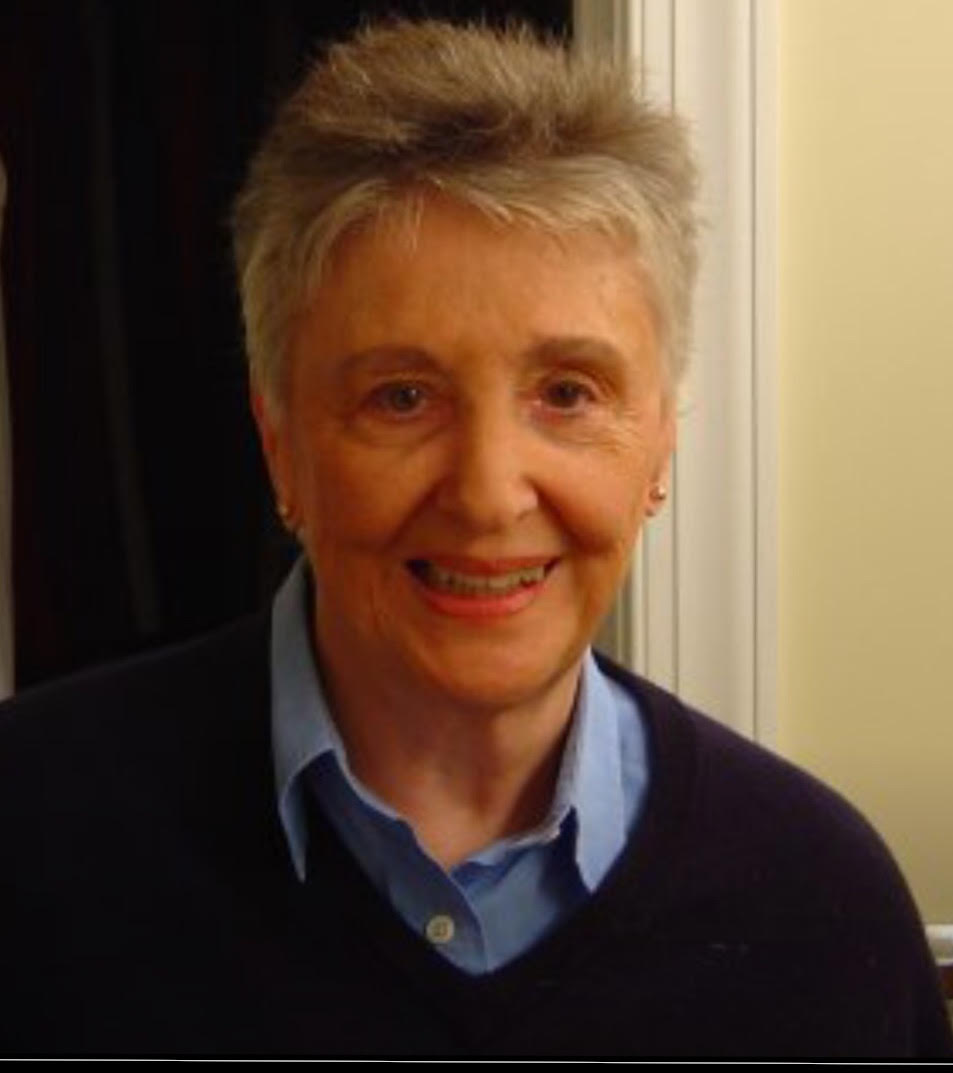
In Memoriam – Beverly Hall, Co-founder of Cassandra: Radical Feminist Nurses Network


August 9, 1935 — July 11, 2025 
Nursology.net “In Memoriam”

On July 25, 2025, Janet Allan sent me the sad news of Bev’s death – her partner of 45 years.

Bev had been on home hospice/palliative care for about a year and a half dealing with 5/years of Long Covid. The efforts of the hospice nurses greatly helped to mitigate many of her symptoms which were mainly shortness of breath, tachycardia and extreme fatigue. She  spent only 3 days in an inpatient Hospice facility . . . and had a very peaceful death. I am both very sad and also relieved because she is no longer suffering. We have been together for over 45 years and it’s hard to imagine a life without her. 

Bev and Janet were among the women who”founded” Cassandra: Radical Feminist Nurses Network at the ANA convention in 1982. Their relationship was brand new at the time, and the group of about a dozen nurses gathered in a hotel room to brainstorm what we could do to counter two shocking things happening in and around the convention. First was the fact that over the same weekend of June 30, 1982, women from all over the United States were gathering to mark the death of the proposed Equal Rights Amendment (ERA) to the U.S. constitution, which simply stated: “Equality of rights under the law shall not be denied or abridged by the United States or by any State on account of sex”. There was no mention or even a hint at the ANA convention that this was happening – despite the fact that DC was teaming with women and week-end long concerts, events and protests marking the occasion.  

The second event that we observed and that shocked us to the core, was the fact that the Maternal-Health section of the ANA had as their keynote speaker Orrin Hatch – Republican Senator from Utah who was a vocal opponent of equal rights, specifically women’s reproductive rights. Several of us watched Mr. Hatch get out of his limosine and be escorted into the hotel, accompanied by a group of nurses representing the ANA.

More detail about this event and details of our gathering and actions are described in the first Cassandra Newsletter . The newsletter contains a poem on page 12 by Bev –

FEMINISM IS DEAD

It’s 1982,, and the ERA is dead.
Well, not dead, says the National Organization for Women.
The ERA has just suffered a small setback, that’s all.
Oh, okay, if that’s all it is.

It’s 1982 and the San Francisco Chronicle said,
Feminism is out among younger women surveyed.
I have never been discriminated against.
Feminists are such unhappy people.
We do not need feminists.

It’s 1982 and long skirts are in.
High heeled shoes, too.
Feminism is out.
Do you understand that, woman?

It’s 1982 and Nightingale is dead.
Has been for 72 years.
We hardly remember her anymore.
Wasn’t she the one who never got married?
Died an invalid.

It’s 1982 and feminism is dead.
But, listen, we don’t have to be nice about it.
Malvina Reynolds said,
The ones that bleed you like to see you nice.
So, you and I, let’s don’t be nice, okay?

  • Beverly A. Hall

We made a plan to meet for our first “gathering” in San Francisco, and Bev volunteered to set up the arrangements with the Women’s Building (which did occur in 1983). Then she was diagnosed with breast cancer and was not able to participate in the gathering. Sue Dibble, who at the time was a doctoral student at UCSF, stepped in to help. The physicians predicted that Bev’s form of cancer meant about a 5-year survival trajectory. Bev went through a round of the typical chemotherapy ordeal, which she determined she would never engage in again, and instead created her own healing pathway and survived and thrived to the age of 90! She spent many years working closely with people who were living with HIV/AIDS, guiding their experience using the healing approaches she had learned to know during her own healing journey. She documented her journey in her book “Surviving and Thriving After a Life-Threatening Diagnosis“.

So here’s to fond memories of our dear colleague and friend Bev Hall! Her spirit and influence lives on!

2025 Nurses’ Declaration of Solidarity and Resistance


Members of the NurseManifest team have issued a call for nurses to join together in signing a 2025 Nurses Declaration of Solidarity and Resistance, indicating our commitment to stand together, act to resist that which harms health and well-being, protect those who are harmed, and build coalitions that move toward the ideals we seek.  Nurses stand on a long and strong legacy of political activism that arises from our moral imperative to actively promote public policy that assures social/health equity. Nursing’s extensive theoretical foundation, and our knowledge derived from ethical, aesthetic, personal and emancipatory knowing leads us to take action, and provides the substance that constitutes our purpose in taking action. Nurses worldwide are invited to join with other nurses to engage in determined action to protect health and justice for all, regardless of age, social/economic circumstance, ability, religion, skin color, race, country of origin, sexual orientation or gender identity. To join this movement, add your signature to the 2025 Declaration of Solidarity and Resistance! For inspiration about actions to take, see our “Resources for Action,”

The 2025 Declaration builds on the 2017 Declaration, issued during the early days of the first Trump administration. Within a few weeks, 2,215 nurses had signed on to the 2017 Declaration. Now it is 2025, and we have new avenues and resources for dealing with health crises, some of which emerged during the 2020-22 COVID-19 pandemic. Having lived through the first Trump term, and the pandemic, nurses are prepared for almost anything that comes along. And now, many nurses are even more deeply concerned, even horrified, that not only are we re-experiencing the health-damaging traumas of 2017, we are witnessing even more dreadful and devastating effects of government action. But as Sally Thorne explains in her March 2025 Nursing Inquiry editorial, “We were made for these times.”

We will not be mandated to engage in hateful acts, acts of division and furthering disadvantage, policies that expand the privilege of the few and cause pain and distress in the many. As we showed so clearly during the COVID-19 pandemic, we will not be cowed by fear or self-interest, rather we will continue to do what nurses have always strived to do in optimizing health and health equity in the fullest sense of those terms for all. We are a force for good in this world, and we have always understood that as our mission and our privilege. (Thorne, 2025)

Take a few moments today to read more about the 2025 Declaration, and join the many nurses who share a passion to take action, and join with others in a strong coalition to resist the harms, protect others at risk, and create a foundation for a future in which this sort of erosion of human health and well-being can never happen again.


Virtual Nursology Theory Week – March 21-25


For all nurse activists, this virtual gathering is an opportunity to re-affirm the values and ideals of our rich tradition that is expressed on this site in the Nursing Manifesto: A Call to Conscience and Action! The theme of the conference is “Nursology Theory Think Tanks for the Future” building from the tradition started in the 1980’s by Margaret Newman.

This year’s conference is all set to be among the best ever! The program features three plenary panels on Thursday, Saturday and Monday. The 30-minute “knowledge sessions” each day feature speakers from over the world who submitted abstracts focusing on the development of nursing knowledge. Here is just a sample from the 35 knowledge session titles:

  • “A ch’ixi Nursing is possible. Towards situated epistemologies”
  • “Your Truth Meter: A Paradigm Shift in Nurse Self-Care”
  • “Application of the Middle-Range Theory of Nurses’ Psychological Trauma to Nurse Practitioners”
  • “Understanding Gun Violence via Theory of Reasoned Action and Planned Behavior”
  • “The Theory of Impeded Academic Perseverance: An Emerging Theory in Nursing Education”
  • “Whiteness in Nursing Theorizing”
  • “A Theory-Informed Conceptual Model of Nurse Powerlessness”
  • “How scientific is nursing? Answers from a new characterization of science” 

Each day concludes with an hour-long “Daily Discussion” during which presenters and attendees can interact informally to discuss topics and issues that were presented during the day!

Register now to have access to all conference events and access to the digital conference “Guidebook.” The registration fee is a flat $180 USD. Scholarships are available – or you can donate a scholarship to help make this conference accessible to everone. The Guidebook will be available about a week before the conference begins, and will contain all presenter bios (with photo) and the slides to be used during their presentation. 

January Workshop: Reckoning With Racism for Nurses with Nanette D. Massey


Register here!

We are delighted to announce that Nanette D. Massey is joining us again to lead a workshop and discussion over three Saturdays in January – the 13th, 20th and 27th from 2 to 4 pm Eastern! And she has two important guests who will each join the discussion on one of the Saturdays – Dr. Robin DiAngelo, author of the book White Fragility: Why It’s So Hard For White People To Talk About Racism, and Dr. Willie Underwood, Chairman of the AMA.  Registrations are open until the start of the second session on Saturday the 20th. After that, registration will be closed. Participants are encouraged to commit to all three sessions. See details below.

Here is the schedule:

  • Saturday January 13 –
    • 2:00 PM – 3:00 PM – Nanette D. Massey
    • 3:00 PM – 4:00 PM – Dr. Robin DiAngelo
  • Saturday January 20 –
    • 2:00 PM – 3:00 PM – Nanette D. Massey
    • 3:00 PM – 4:00 PM – Dr. Willie Underwood, AMA Chairman
  • Saturday January 27 –
    • 2:00 PM – 3:00 PM – Nanette D. Massey
    • 3:00 PM – 4:00 PM – Q&A

Nanette’s Description of the Workshop

The American Medical Association has declared racism “a public health threat.”

“But I’m not racist,” you say as a white nurse. Still, you work in an industry where appallingly unequal outcomes for white people and others are happening–and normalized. WHO ARE YOU BEING beyond “it didn’t happen on my floor/shift/watch so my hands are clean”? Further, who could you be to make a difference in the dire statistics of our unequal outcomes? To make a difference in the experience of your non-white colleagues?

This seminar takes place in two hour sessions over three Saturdays; January 13, 20, and 27. Registration will be cut off at the start of the second session, January 20th.

  • Dr. Robin DiAngelo, whose book White Fragility: Why It’s So Hard For White People To Talk About Racism spent over three years on the New York Times Bestseller list, will join us on Saturday 1/13 and will be taking your questions.
  • Dr. Willie Underwood, Chairman of the AMA, will be our guest speaker Saturday 1/20 and taking your questions.

The book “White Fragility” has become a cultural touchstone for our time. Most U.S. white people, though, report having no regular contact with non-white people and can only discuss race in an “echo chamber” of other white frames of reference.

With black workshop facilitator Nanette D. Massey of Buffalo, N.Y., this is your chance to contextualize race from an unfiltered, real world experience rather than theory. With Nanette’s hallmark frankness and practicality, you’ll be left with self-clarity and the ability to act on racism within your own personal spheres of influence with genuine confidence, humor, and humility.

Registration

Register for the series on Eventbrite! The fee for all three sessions is $100.

We’re taking registrations until the start of the second session on Saturday the 20th. After that, registration will be closed. Participants are encouraged to commit to all three sessions. The material is progressive.

Participants are also urged to read Robin DiAngelo’s book “White Fragility” before joining the seminar. Audience familiarity with its ideas and terms is crucial to the pace of the discussion.