The Washington State Nurses Association (WSNA) is leading the way!
WSNA joins lawsuit to restore access to federal health resources
The Washington State Nurses Association (WSNA) is leading the way!
WSNA joins lawsuit to restore access to federal health resources
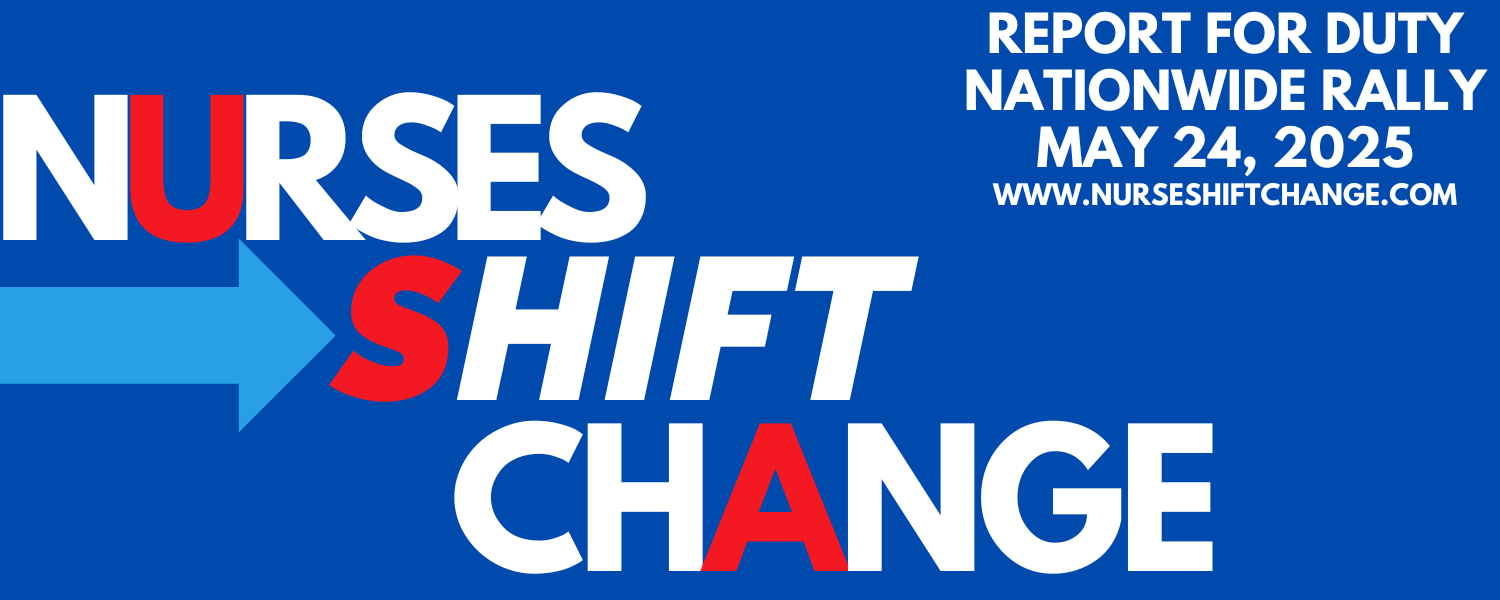
Nurses SHIFT Change – Grounded in Humanity. Guided by Ethics. Driven by Science. Committed to Social Justice. Report for Duty Rally, May 24, 2025 – Washington, DC and nationwide
The Report for Duty Rally is a national day of action led by the Nurses SHIFT Change, bringing together nurses, healthcare professionals, students, and community allies to advocate for a just, compassionate, and equitable healthcare system. On May 24, 2025, in Washington, D.C. and cities across the country, we will show up, speak out, and stand together for the future of healthcare, grounded in humanity, ethics, science, and social justice. Join us!
Join us to renew our dedication to ending racism in nursing and healthcare! This January workshop for nurses begins on January 13th, and continues on the 20th and 27th. Each Saturday session will be two hours from 2 to 4 PM Eastern Standard Time. Registration for the three Saturdays is $100. To register and for more details go to the Eventbrite registration page
With black workshop facilitator Nanette D. Massey of Buffalo, N.Y., this is your chance to contextualize race from an unfiltered, real world experience rather than theory. With Nanette’s hallmark frankness and practicality, you’ll be left with self-clarity and the ability to act on racism within your own personal spheres of influence with genuine confidence, humor, and humility.
“But I’m not racist,” you say as a white nurse. Still, you work in an industry where appallingly unequal outcomes for white people and others are happening–and normalized. WHO ARE YOU BEING beyond “it didn’t happen on my floor/shift/watch so my hands are clean”? Further, who could you be to make a difference in the dire statistics of our unequal outcomes? To make a difference in the experience of your non-white colleagues?
Nanette D Massey, who was an inspiration for, and has worked with “Overdue Reckoning on Racism in Nursing” for over 3 years, has written an article in NABJ Black News and Views that describes the appointment of two Black women to the top administration of Roswell Park cancer center in Buffalo, New York, as a result of a report that detailed widespread racism toward Black nurses, doctors and other staff.
In the article, Nanette describes the situation that the report revealed at Roswell Park, and the changes that the institution is taking to begin making the needed changes. Nanette’s own work has focused on raising the awareness of white people to the widespread realities of racism, and supporting any and all action to bring about change. In the Black News and Views article, she acknowledges the work we are doing in our “Overdue Reckoning” project, including our current October series focused on actions needed by white nurses. Nanette cites Lucinda Canty’s remarks about the systemic ways in which hospitals are designed to sustain racism:
The experiences of Lucinda Canty Ph.D., one of the authors of “An Overdue Reckoning On Racism In Nursing” and an associate professor of nursing at UMass Amherst, add more logs to this fire.
“Hospital systems,” said Canty, ”were never designed for Black people, as patients or employees. Segregation of hospitals ended with the civil rights movement of the 1960’s.That’s not too long ago. The structures are still in place in the form of leadership, policies, or procedures, all designed so that people of color cannot thrive. When racial issues come to light there is no accountability.”
Nanette Massey, September 27, 2023
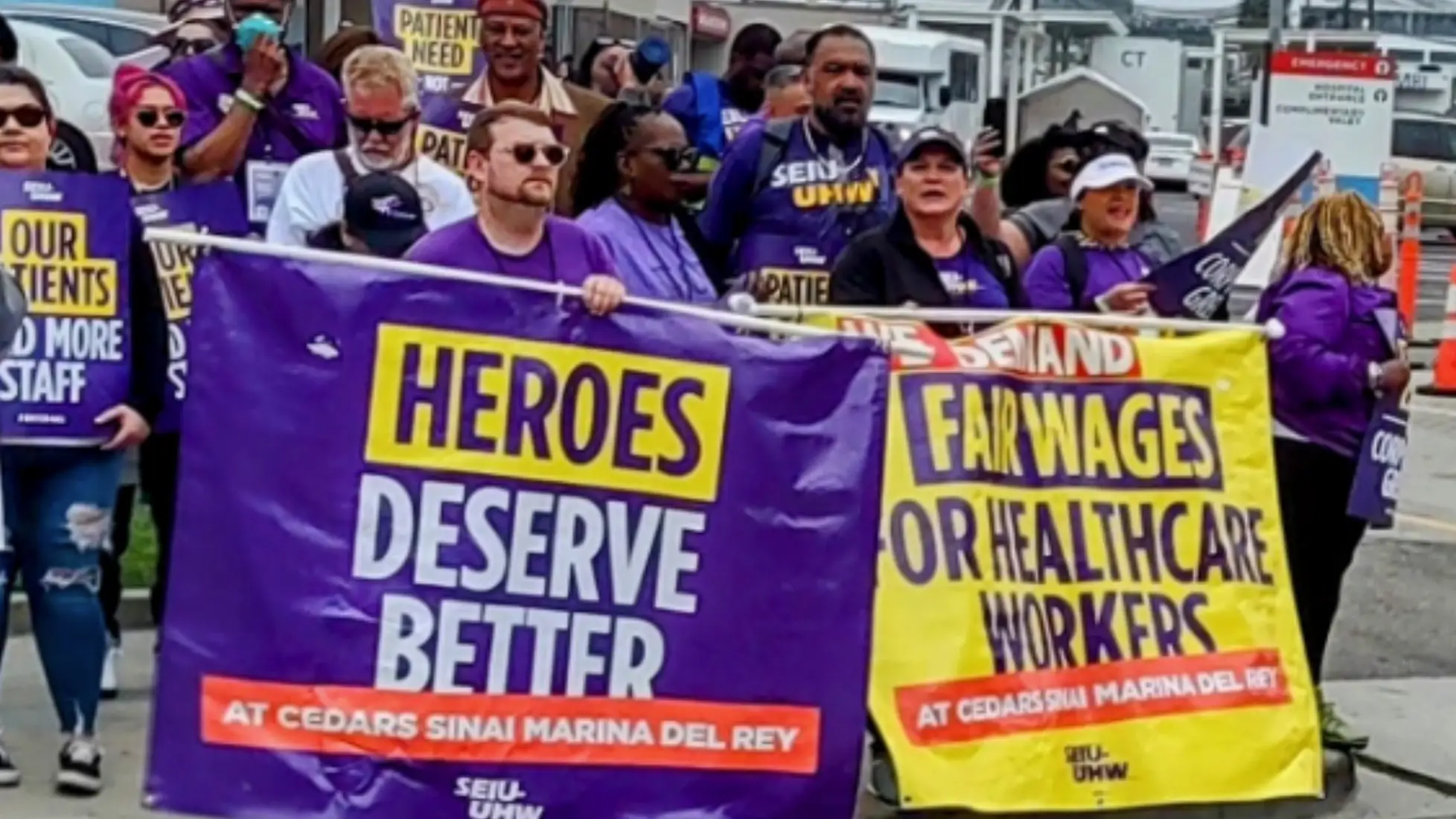
All of us who are nurses and who want to make change can take action anywhere we live and work. We cannot do everything that is required, but each of us can do something. Join in on our Saturday discussions for the remaining Saturdays in October! Here are topics we are planning to kick off discussions for the rest of October –
Oct. 14 – Dismantling white privilege – “What is your experience of remaining silent while people of color speak?”
Oct. 21 – DEI is not enough — “What happens when you attend the dance, but are not asked to dance?”
Oct 28 – Blueprints for action – “What antiracism actions are we committed to take on an individual, group, and structural level?”
You can learn more about Nanette, and the work that she is doing on her website, including information about her in-person workshops in upstate New York, webinars, and writing. Nanette is a highly skilled and compassionate facilitator, and without her inspiration, our work would not have evolved as it did! Connect with her now!
The October issue of the American Journal of Nursing includes an article titled “Activism is an Essential Nursing Role!” This article has been brewing for at least a decade, conjured up by Shawn Kennedy, now Editor Emerita of AJN, and me (Peggy Chinn), now Editor Emerita of Advances in Nursing Science (ANS). As nursing journal editors, we had experienced blow-back from readers who objected not only to “political” content in our journals, but also claimed that “politics” is not an appropriate concern for nurses. Shawn had taken a strong editorial stance related to gun violence as a public health issue, for example, and had received threats to discontinue subscription to the journal as a result of this stance. In ANS, we maintained a strong reputation of publishing politically controversial topics but when one of the articles published in the journal addressed explicitly the militarization of nursing education, we also received threats from readers that they would not only not subscribe, but would cease to use ANS content in their reading lists!
Shawn and I had several opportunities to share our experiences and our mutual commitment to continuing to advocate for nursing’s responsibilities to protect the the health and well-being of all , even when it required taking a “political” stance in our journals. We presented the topic for discussion at several nursing editor’s meetings (INANE), and maintained our intention to publish an article on the topic! Finally, once we each “retired” from our editorial roles, we moved this intention to the top of our “to do” lists, resulting in the publication of the article!
We hope you will take a few moments to read this article, and welcome your feedback! Please add your experiences advocating for activism here — we all are inspired when we hear the stories – we know we are not alone!
 NurseManifest